

Heads up: some links are affiliate, so I may earn a tiny commission (at no extra cost to you!) on stuff I genuinely adore. Please read my Disclosure Policy for additional information.
We’ve all been three inches from a magnifying mirror at midnight, plotting against the little dots on our nose. I’ve been there, you’ve been there, and honestly, half the things we did in that mirror made everything worse.
So here’s the actual playbook. What works, what’s a waste of time, and what’s quietly wrecking your skin barrier while pretending to help.
Nine things to do, eight things to stop doing tonight.
1. Check Whether They’re Actually Sebaceous Filaments
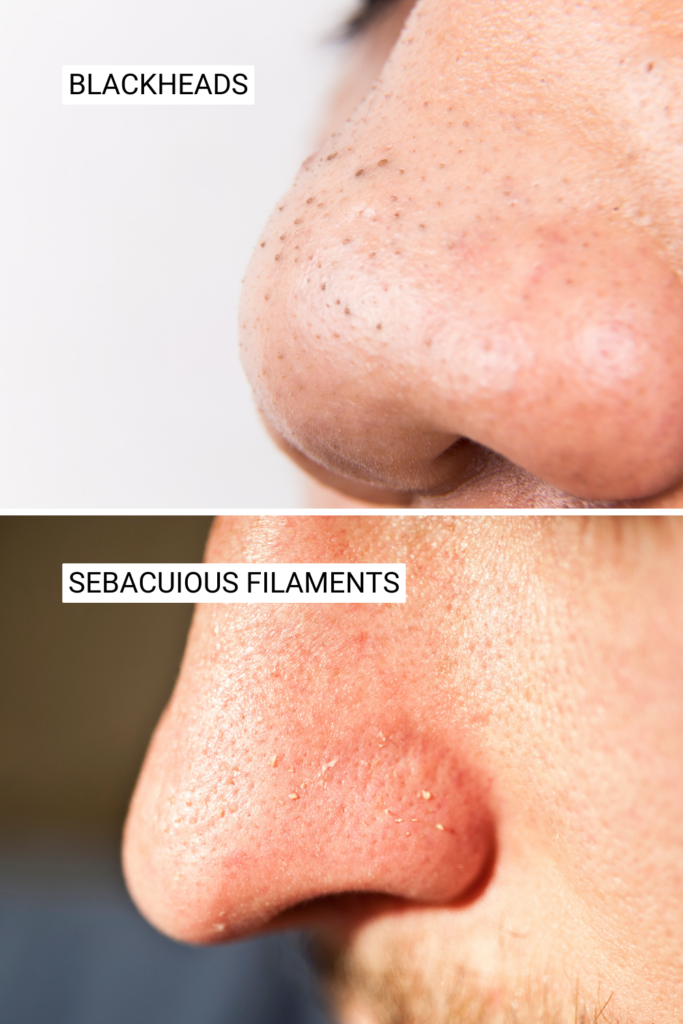
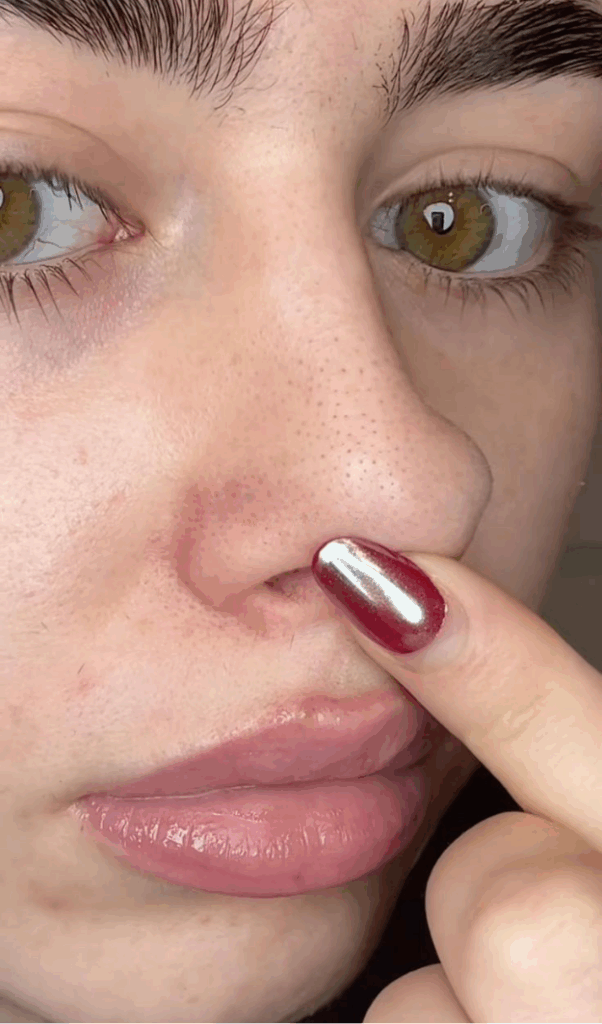
Plot twist: those tiny grey-ish dots all over your nose are probably not blackheads. Sebaceous filaments are a normal part of skin that helps oil travel to the surface, and every single person has them.
Blackheads are darker, raised, and more scattered. Filaments are uniform, flat, and everywhere. You cannot get rid of filaments, only minimize them, so if that’s what you have, save your money and lower the mirror.
Pro tip: If you squeeze and a thin, pale strand comes out, that’s a filament and it’ll be back in a few weeks no matter what you do. Leave it alone
2. Try a Pore Strip for an Instant, Temporary Fix
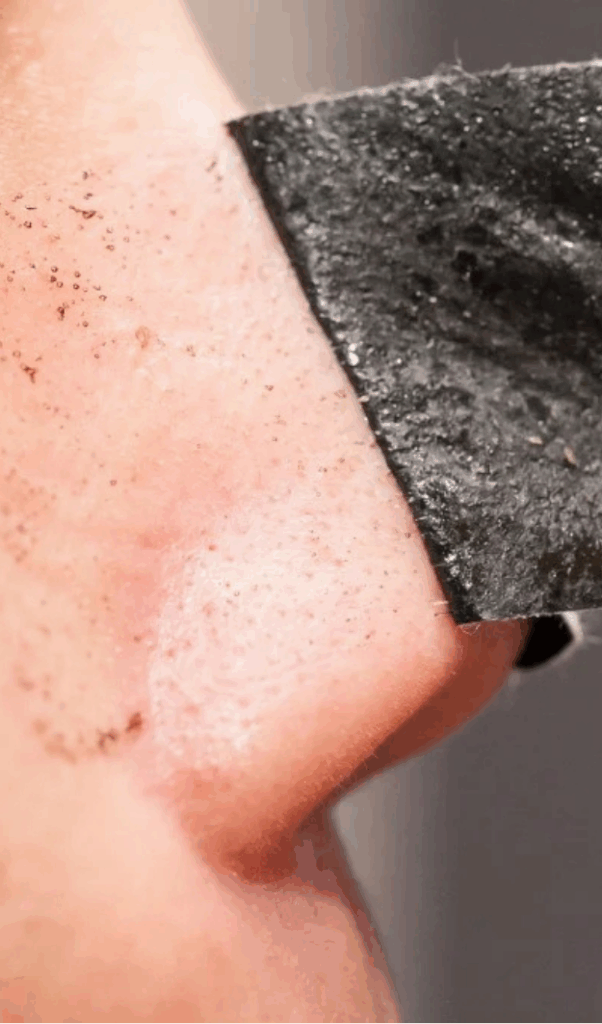
Look, pore strips are the junk food of skincare. Not a long-term solution, deeply satisfying in the moment. If you have an event and want your nose smoother today, a strip will pull out the top of the gunk and give you that instant clean feeling.
Pro tip: Use it on damp skin right after a shower and press it down for a full 15 seconds before it starts drying. Half the “pore strips don’t work for me” complaints are actually application errors.
3. Get a Professional Blackhead Extraction
A facialist or dermatologist can clear in one session what you’d spend months fighting at home, and they do it without scarring you. If your blackheads are deep, stubborn, or all over, this is the shortcut.
Pro tip: Book extractions a week before any big event, not the day before. Your skin needs a few days to calm down, and you don’t want to be red in photos.
4. Use Salicylic Acid to Unclog Pores
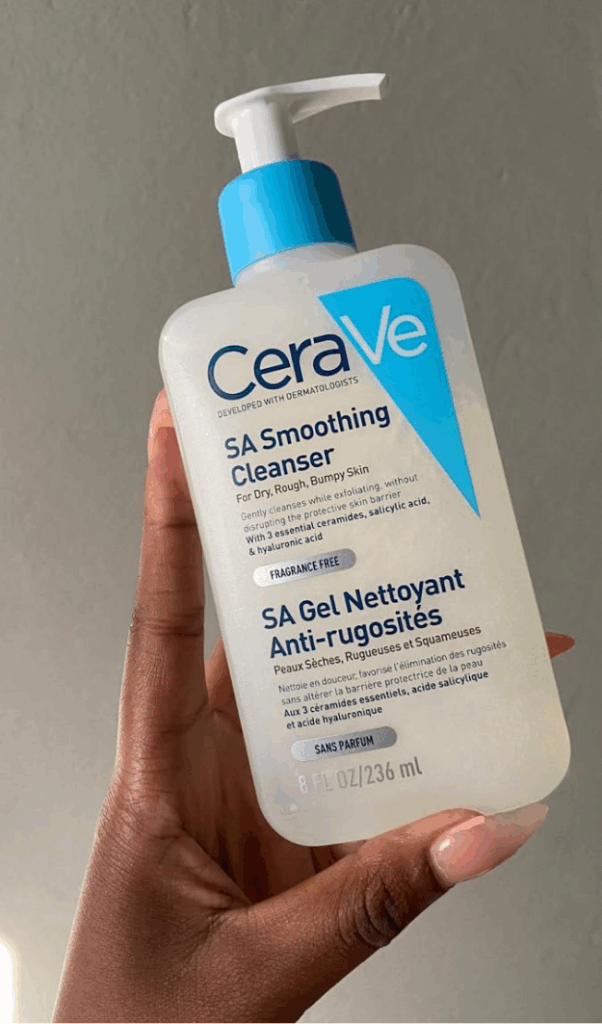
This is the workhorse. Salicylic acid is oil-soluble, which means it actually gets inside the pore and dissolves the gunk instead of just sitting on top. A 2% cleanser or leave-on treatment a few times a week is the single best home habit for blackheads.
Pro tip: If a cleanser is your format, let it sit on your skin for 60 seconds before rinsing. Salicylic acid needs contact time to work, and most of us wash it off in ten seconds.
5. Do a Warm-Cloth Pore Prep
Pores don’t “open,” that’s a myth, but warmth does soften the oil plug inside them, which makes everything after it work better. Hold a warm, damp washcloth on your nose for a couple of minutes before your salicylic acid or clay mask.
Pro tip: Warm, not hot. If the cloth is uncomfortable on your inner wrist, it’s too hot for your face.
6. Try a Clay Mask for Excess Oil
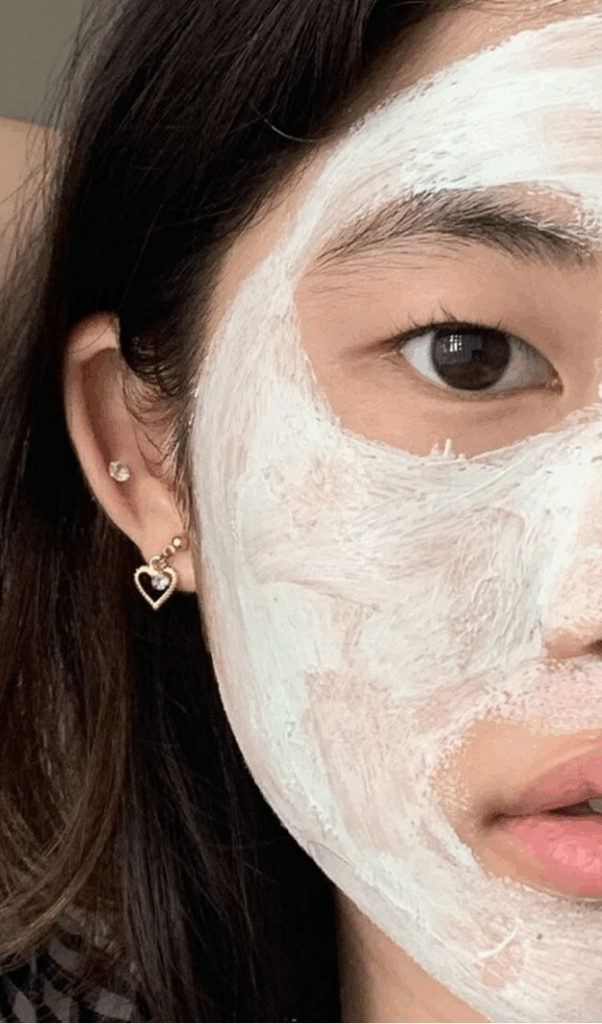
Clay soaks up the surface oil that feeds blackheads. Once or twice a week on your T-zone keeps things from re-clogging as fast. Kaolin if your skin leans sensitive, bentonite if you’re properly oily.
Pro tip: Never let it dry to the cracking, flaking stage. Rinse while it’s still slightly tacky. Fully dried clay starts pulling moisture back out of your skin, which makes it produce more oil. Rude cycle.
7. Use Adapalene to Stop Blackheads From Returning
Everything above treats the blackheads you have. Adapalene, a retinoid you can get without a prescription, prevents the next batch by speeding up cell turnover so pores don’t clog in the first place. This is the long game, and it’s the one that actually ends the cycle.
Pro tip: Pea-sized amount for your whole face, at night, two or three times a week to start. Your skin may get a little flaky in week two or three. That’s normal, don’t quit, it settles.
8. Double-Cleanse After Makeup and Sunscreen
Makeup and sunscreen are doing their jobs by sticking to your skin, which means one gentle cleanse often doesn’t fully remove them, and the leftovers settle into pores. An oil or balm cleanser first, then your regular cleanser.
Pro tip: You only need this at night, and only on days you wore makeup or SPF. Double-cleansing in the morning too is just stripping your skin for fun.
9. Consider a Professional Chemical Peel
If your blackheads laugh at everything above, a salicylic or mandelic acid peel done professionally goes deeper than anything you can buy. A short series of them can genuinely reset congested skin.
Pro tip: Whatever you do, wear sunscreen religiously after a peel. Freshly peeled skin burns and pigments fast, and undoing sun damage costs way more than the peel did.
Now, the Don’ts
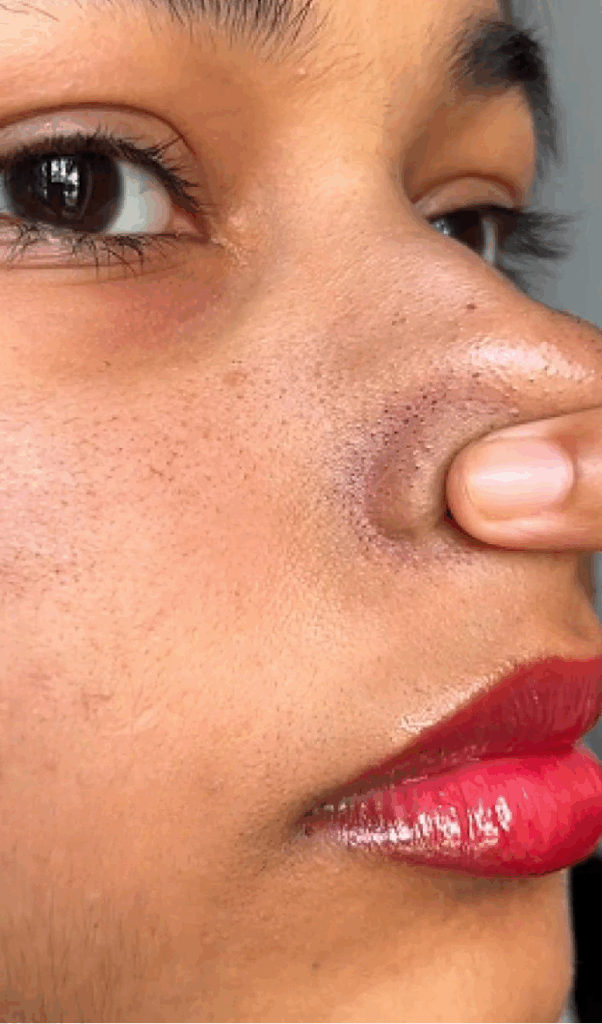
This is the part where I lovingly take things out of your hands.
❌ Don’t squeeze them with your fingernails. Nails harbor bacteria and crush the pore walls, which turns a blackhead into an actual pimple, or a scar.
❌ Don’t dig into pores with needles or metal tools at home. Those extraction tools look professional. In untrained hands they cause broken capillaries and dents that don’t go away. Leave the metal to the professionals.
❌ Don’t use lemon juice. It’s not “natural skincare,” it’s acid at the wrong pH plus compounds that can cause burns and dark patches in sunlight. Truly one of the worst things the internet ever taught us.
❌ Don’t use baking soda. It’s alkaline, your skin is acidic, and scrubbing it on destroys the barrier that keeps your skin calm. Blackheads stay, irritation arrives.
❌ Don’t scrub your nose until it’s red. Blackheads are inside the pore. No amount of surface scrubbing reaches them, but it will absolutely inflame everything around them.
❌ Don’t use pore strips every day. Once in a while, fine. Daily, and you’re stripping the top layer of skin and irritating pores into producing more oil.
❌ Don’t pile multiple strong acids onto your skin. Salicylic plus glycolic plus a retinoid plus vitamin C in one routine isn’t dedication, it’s a barrier breakdown waiting to happen. One active at a time, alternate nights.
❌ Don’t use toothpaste as a spot treatment. It’s for teeth. On skin it causes irritation, redness, and sometimes chemical burns, and it does nothing a real spot treatment doesn’t do better.