
Heads up: some links are affiliate, so I may earn a tiny commission (at no extra cost to you!) on stuff I genuinely adore. Please read my Disclosure Policy for additional information.
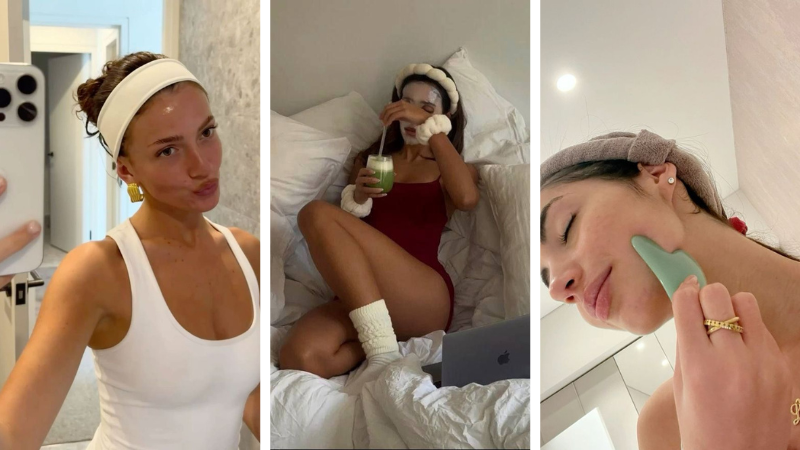
The best beauty routine you can have is one that works while you’re unconscious. No effort, no steps, no standing at a sink for twenty minutes — just a few intentional habits before bed that mean you wake up with better skin, smoother hair, and a face that looks like it got actual rest.
Which, if you do these right, it will.
Here’s everything worth doing between now and your alarm going off.
1. Double Cleanse — Actually Remove Everything
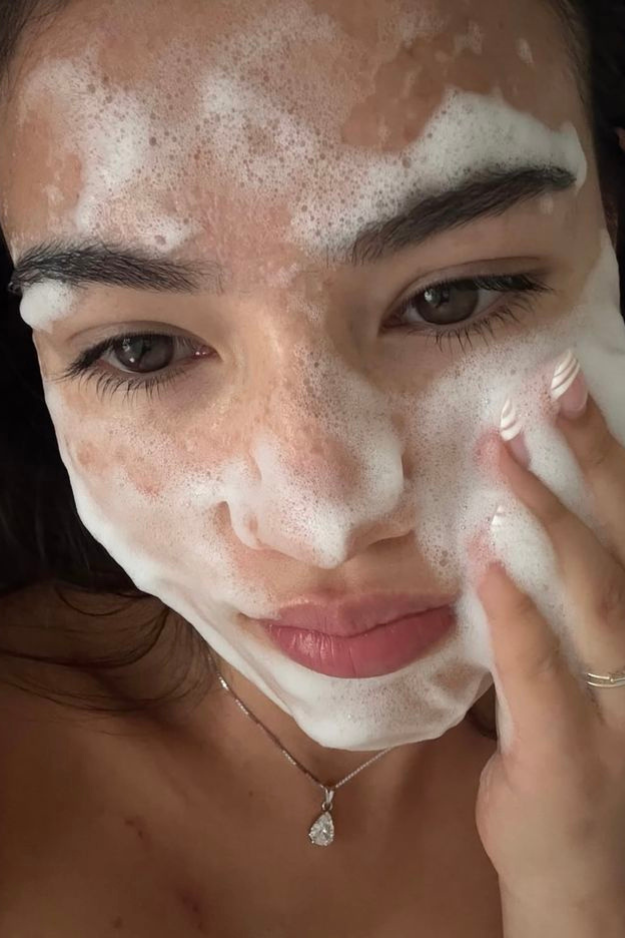
The most important overnight beauty step happens before any of the good stuff: a thorough cleanse. Sleeping in makeup, sunscreen, and the general buildup of the day is one of the leading causes of congestion, dullness, and accelerated skin aging. And a single cleanse often isn’t enough.
The double cleanse method — an oil-based cleanser first to dissolve makeup and SPF, followed by a water-based cleanser to clean the skin itself — ensures you’re starting with a genuinely clean canvas.
Everything you apply after works significantly better on clean skin than on skin that’s technically been wiped but not actually cleaned.
Pro tip: You don’t need expensive products for this. A drugstore cleansing balm or micellar oil followed by a gentle foaming cleanser does exactly what a $90 double cleanse routine does. The technique matters more than the price point.
2. Apply Retinol or Retinoid at Night — Not in the Morning
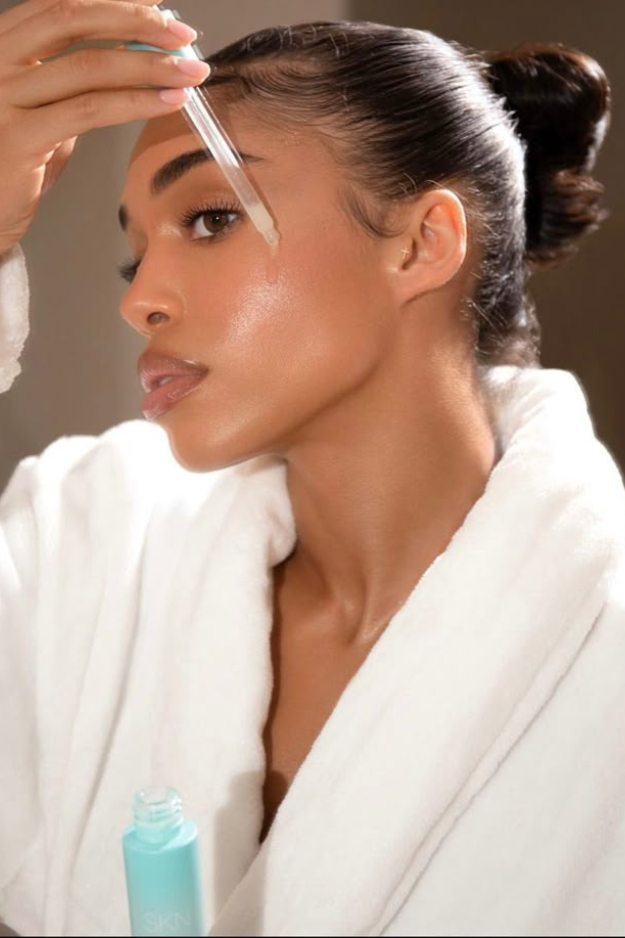
If retinol is in your routine, nighttime is the only time to use it. Retinoids increase photosensitivity, meaning applying them in the morning and then stepping into sunlight actively works against you. At night, they work uninterrupted — accelerating cell turnover, building collagen, and fading hyperpigmentation while you sleep.
Pro tip: The biggest retinol mistake is starting too strong and too often. Begin with the lowest available strength two nights a week and build up slowly over months. Redness and peeling in the first few weeks is normal — it’s the skin adjusting, not a reaction. If you push through slowly, the results on the other side are worth every uncomfortable week.
3. Use a Hydrating Overnight Mask or Sleeping Pack

A sleeping mask — also called a sleeping pack — is a leave-on treatment applied as the last step in your nighttime routine. It seals in everything underneath it and creates an occlusive barrier that prevents moisture loss overnight, so you wake up with noticeably plumper, more hydrated skin.
It’s the closest thing to a facial you can do without leaving your bed.
Pro tip: You don’t need to use a sleeping mask every night. Two to three times a week is enough — overuse can sometimes lead to congestion, especially if your skin is acne-prone. On off nights, a simple moisturizer with ceramides does the job.
4. Sleep on a Silk or Satin Pillowcase
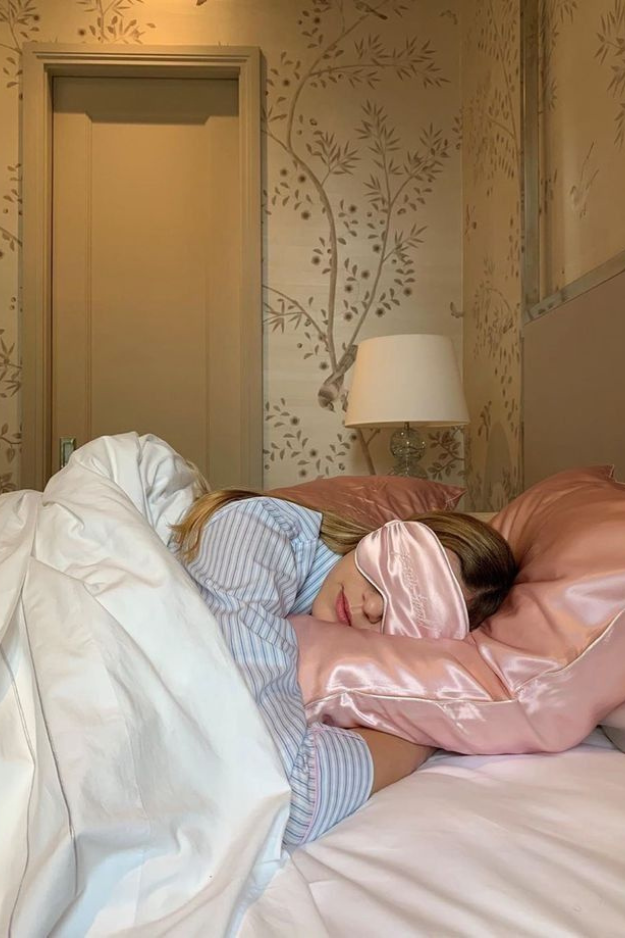
Cotton pillowcases create friction against skin and hair all night long. That friction contributes to sleep creases on the face, moisture loss from the skin, and hair breakage and frizz.
Silk and satin pillowcases reduce friction significantly, meaning you wake up with fewer creases, smoother hair, and skin that hasn’t been robbed of hydration overnight.
Pro tip: If a silk pillowcase feels like an unnecessary splurge, a satin pillowcase achieves almost the same result at a fraction of the cost. Or — the most budget-friendly version — a satin hair bonnet for your hair paired with a standard pillowcase for your skin. Same benefits, different delivery.
5. Apply a Lip Treatment Before Bed
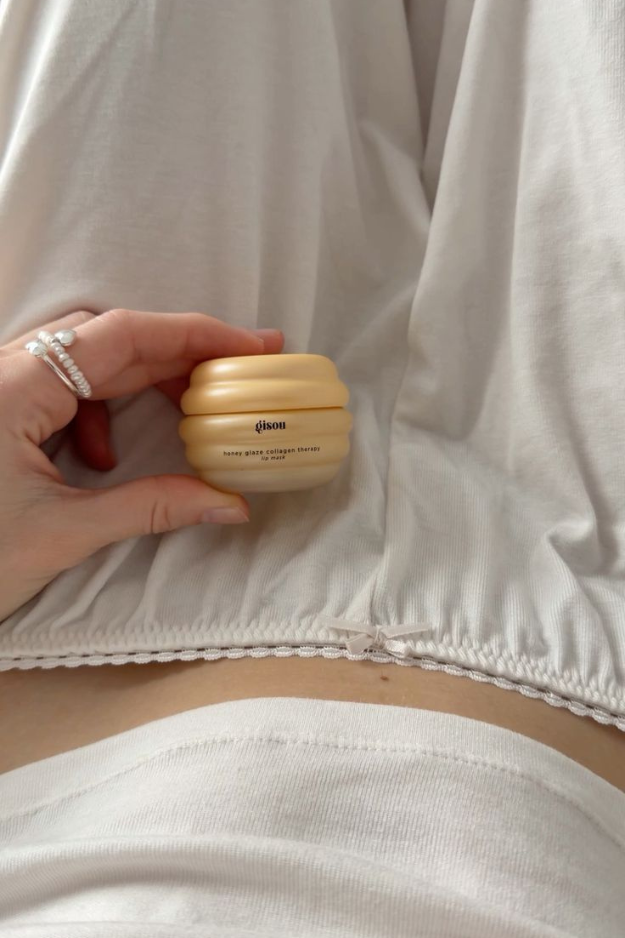
Lips have no sebaceous glands, which means they can’t moisturize themselves. Left untreated overnight, lips lose moisture, develop dry patches, and wake up looking dull and slightly deflated.
A thick lip balm, a lip sleeping mask, or a small amount of pure lanolin applied before bed makes a noticeable difference by morning — especially in winter or in air-conditioned environments.
Pro tip: The best overnight lip treatments contain lanolin, shea butter, or ceramides. Avoid anything with menthol or camphor — they feel tingly and refreshing but are actually mildly irritating and contribute to dryness over time. The ones that feel the least dramatic often work the hardest.
6. Apply Eye Cream — Correctly
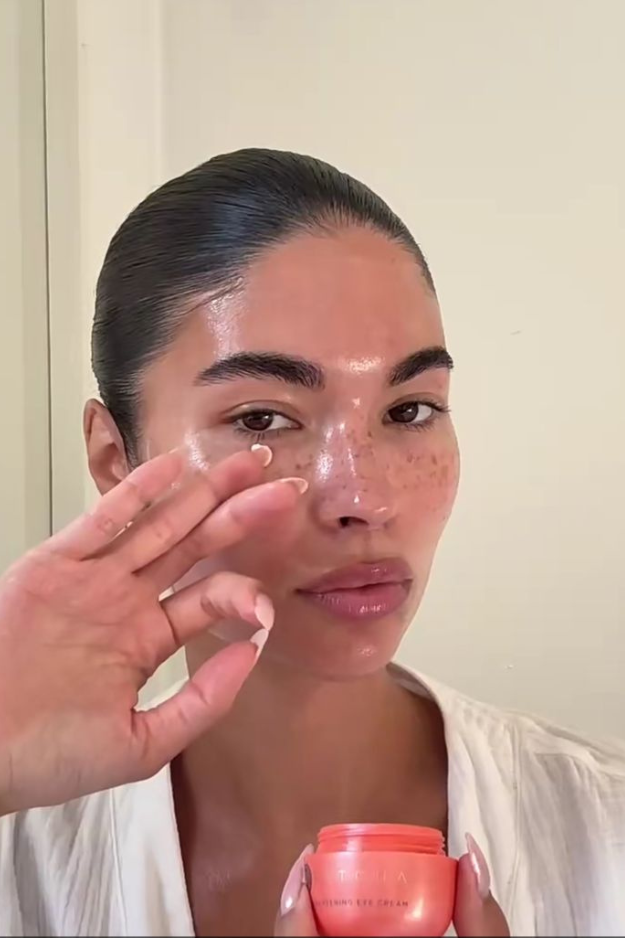
The skin around the eye is the thinnest on the entire face and loses moisture faster than anywhere else overnight. An eye cream applied before bed replenishes that moisture and, over time, supports the appearance of fine lines and dark circles. The product matters — but the application technique matters more.
Always apply eye cream with the ring finger — it exerts the least pressure of any finger — using a gentle tapping motion around the orbital bone. Never drag or pull. The tapping motion stimulates circulation while the light pressure prevents the damage that pulling does to thin skin over time.
Pro tip: Apply eye cream before your moisturizer, not after. Moisturizer applied over eye cream dilutes it and pushes it around. Eye cream first, let it absorb for a minute, then moisturize.
7. Do a Quick Gua Sha or Face Massage

A two-to-three minute face massage before bed — with a gua sha tool or simply your hands with a facial oil — improves lymphatic drainage, reduces puffiness, and promotes circulation.
The results are cumulative: one session won’t transform your skin, but consistent nightly practice over weeks creates a visibly sculpted, more defined look.
Pro tip: Always use a facial oil or serum as a slip product when using gua sha — never drag a tool across dry skin. Scraping without slip causes micro-tears in the skin rather than the lymphatic movement you’re going for. Three to four drops of a lightweight facial oil is all you need.
8. Tie or Protect Your Hair Before Sleep
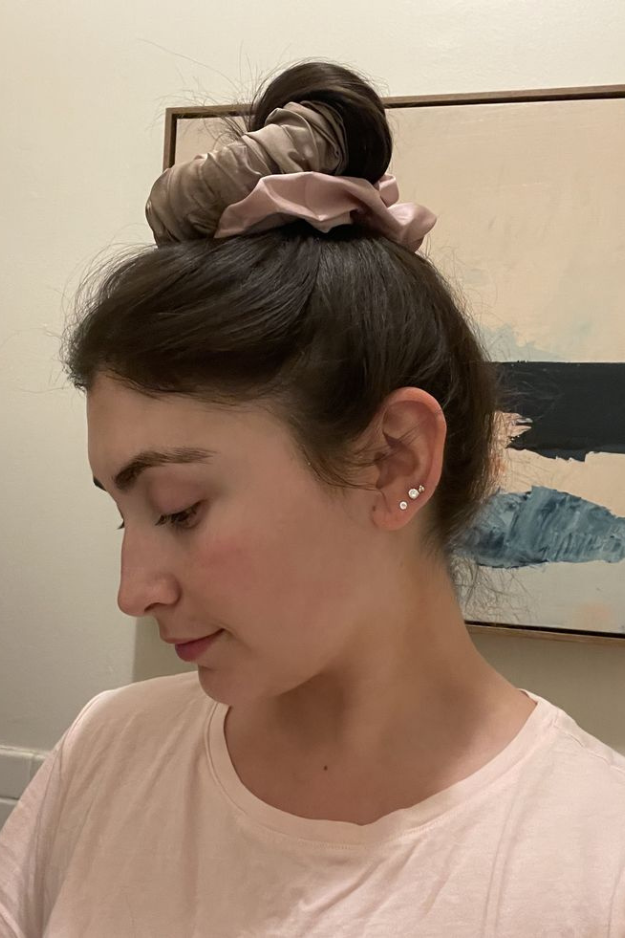
Loose hair rubbing against your face overnight transfers oil and product onto the skin — which can contribute to breakouts along the hairline and chin. It also causes friction-related hair breakage and frizz. A loose braid, a silk scrunchie bun, or a satin bonnet keeps hair out of your face and protected simultaneously.
Pro tip: The key word is loose. Tight hair ties create tension at the hairline overnight — which, done repeatedly, can contribute to traction-related hair loss over time. A loose braid or a very gently secured bun gives you the same protection without the tension.
9. Apply a Hair Mask or Overnight Treatment
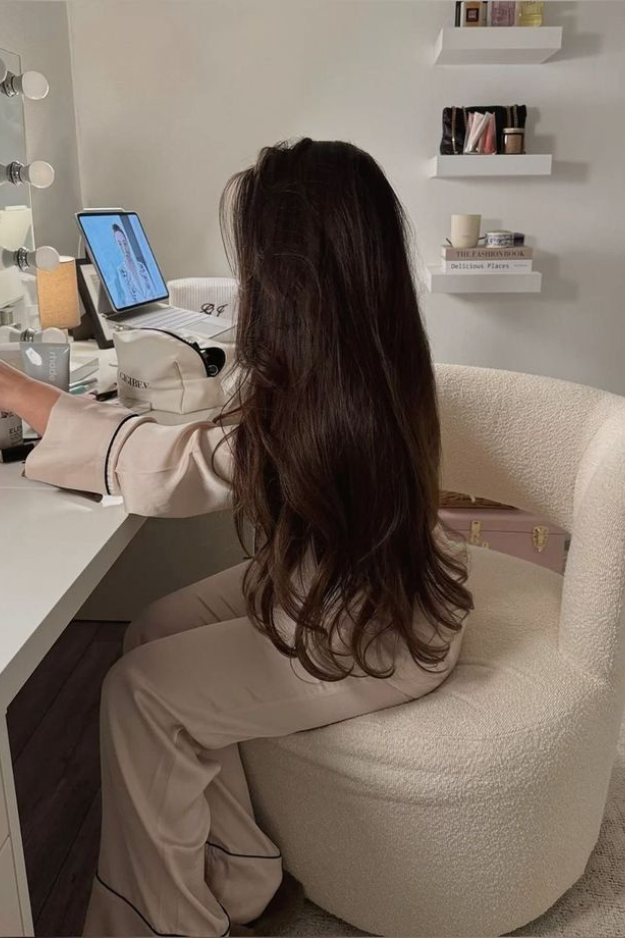
If your hair is dry, damaged, color-treated, or just not where you want it to be, a weekly overnight hair mask is one of the highest-return beauty habits you can develop.
Apply from mid-lengths to ends — not the scalp, which doesn’t need additional moisture and will just get greasy — wrap loosely in a satin bonnet or old T-shirt, and sleep. Wash out in the morning.
Pro tip: Coconut oil is the most popular overnight hair treatment, but it’s not for everyone. It works beautifully on coarser, thicker hair types but can cause protein buildup on fine hair over time. For fine hair, a lighter oil like argan or a dedicated leave-in treatment is a better choice.
10. Sleep on Your Back If You Can
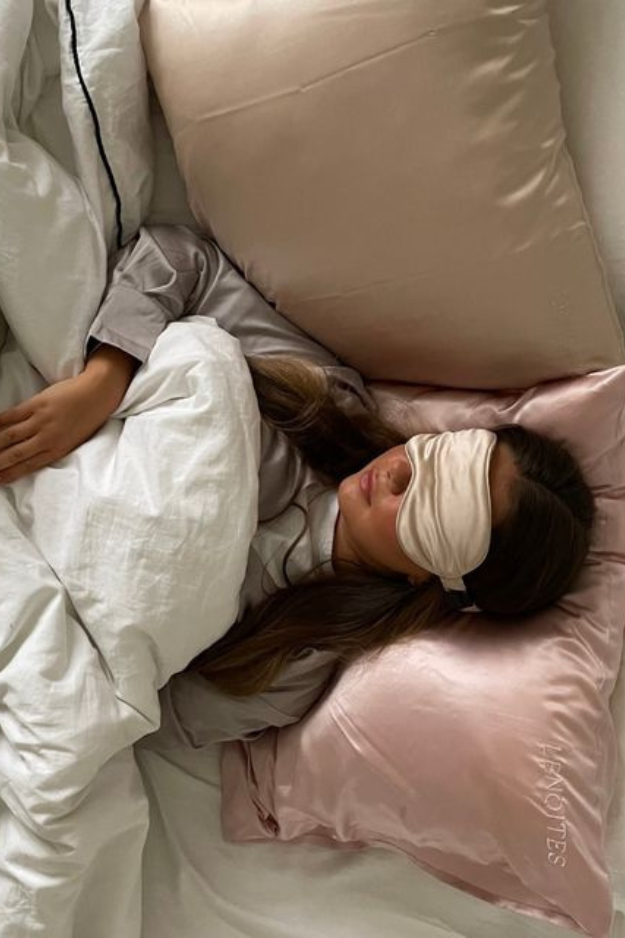
Sleep position has a direct impact on morning face. Side sleeping presses one side of the face against a pillow for hours, creating sleep creases that, over years, can become permanent lines. Stomach sleeping is the most damaging — it presses the entire face into the pillow and also compresses the neck and décolletage.
Back sleeping keeps the face free of pressure, allows skincare products to absorb into the skin rather than transfer onto the pillow, and reduces the morning puffiness that comes from gravity pooling fluid in the face when it’s pressed downward.
Pro tip: If changing your sleep position feels impossible, a contoured memory foam pillow designed for back sleeping makes it considerably easier. Alternatively — a silk pillowcase on a standard pillow at least minimizes the damage from side sleeping even if you can’t change the habit entirely.
11. Put Your Phone Down 30 Minutes Before Bed

This is the overnight beauty tip nobody wants to hear, and the one with the most clinical evidence behind it. Blue light from screens disrupts melatonin production, which delays sleep onset and reduces sleep quality.
Poor sleep quality directly affects skin — it increases cortisol, which breaks down collagen; reduces growth hormone release, which repairs skin overnight; and shows up visibly as dullness, puffiness, and exaggerated fine lines in the morning.
No serum, no sleeping mask, no overnight treatment corrects what a bad night’s sleep undoes. The phone is the last thing to pick up in the morning and the first thing to put down at night.
Pro tip: If you use your phone as an alarm, switch to a dedicated alarm clock. The temptation to scroll when the phone is in your hand at bedtime is effectively unavoidable — remove the reason to have it there at all.
12. Elevate Your Head Slightly While Sleeping
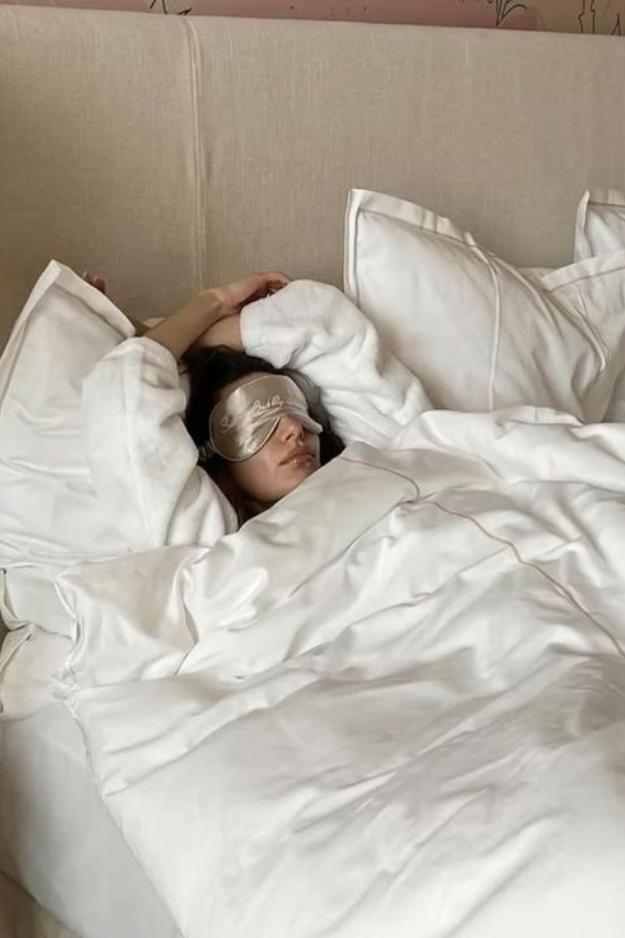
Sleeping completely flat allows fluid to pool in the face overnight — which is why morning puffiness is so common, especially around the eyes. Elevating your head slightly with an extra pillow encourages lymphatic drainage and means you wake up with less puffiness and more defined features.
Pro tip: You only need a small elevation — about 10 to 15 degrees. Stacking too many pillows can strain the neck and cause a different set of problems. One extra pillow under your regular pillow is enough to make a visible difference by morning.
13. Apply Hand Cream and Cuticle Oil Last
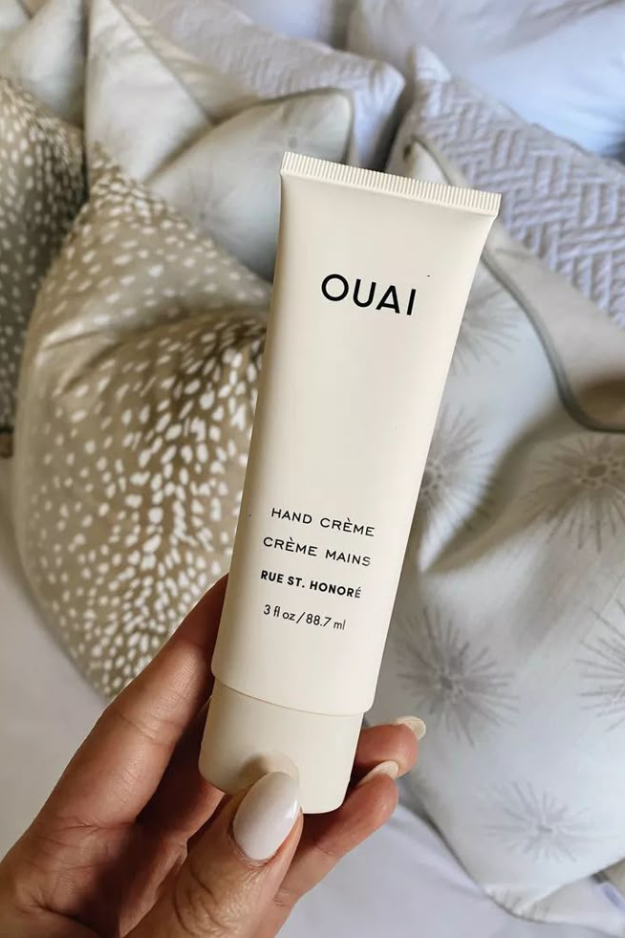
Hands are one of the first places aging shows — and one of the most neglected in most people’s nighttime routines. A rich hand cream applied right before sleep has hours of uninterrupted absorption time, which makes the overnight window significantly more effective than any daytime application.
A drop of cuticle oil on each nail at the same time takes ten seconds and makes a visible difference to nail health over time.
Pro tip: Keep both on your nightstand, not in the bathroom. The habit only sticks when the product is the last thing you reach for before sleeping — not something you have to remember mid-routine. Out of sight genuinely means out of mind when it comes to nighttime skincare habits.
14. Drink a Glass of Water Before Bed

The body loses moisture overnight through respiration and natural processes — and chronically dehydrated skin wakes up looking dull, tight, and less plump than it should. A glass of water before bed is the simplest, cheapest overnight beauty treatment available. It’s also the most consistently skipped.
Pro tip: If drinking water before bed makes you wake up in the middle of the night, drink it an hour before you sleep rather than immediately before. The hydration benefit is the same; the sleep disruption is significantly reduced.
related articles to Overnight Beauty Tips
- How to Get Rid of Pimples Overnight — 9 Dermatologist-Approved Secrets
- 14 Genius Ways to Brighten Dull Skin Before You Even Touch Highlighter
- How to Get Clear Skin Without Selling Your Soul to 27 Products
- Mirror-Like Glow? Yes, Please! Try This Glass Skin Routine Everyone’s Obsessed With