

Heads up: some links are affiliate, so I may earn a tiny commission (at no extra cost to you!) on stuff I genuinely adore. Please read my Disclosure Policy for additional information.
It’s 9:47 p.m., you’re on your fourth wellness reel of the night, and a woman in a linen robe is slowly whisking matcha in a sunlit Kyoto townhouse. You, meanwhile, are eating cereal standing over the sink. You save the video. You will never watch it again.
Same, babe.
Here’s what those reels leave out: most Japanese wellness habits aren’t aesthetic rituals at all. They’re small, practical, slightly boring routines that millions of people do without thinking, like stretching along to a radio broadcast or taking a hot bath on a random Tuesday. No gong. No $90 ceramic bowl.
So here are eight of them, mapped onto a regular day, from the second your alarm goes off to the moment your head hits the pillow.
1. Rajio Taiso, the Three-Minute Wake-Up

Rajio taiso is a set of radio calisthenics broadcast in Japan since 1928, and yes, offices and schoolyards still do it together. It’s having a moment because we’ve all quietly admitted the 45-minute morning routine was never happening (sorry, 5 a.m. club).
The routine is about three minutes of arm swings, side bends and little hops, free on YouTube and totally doable in pajamas next to the kettle. Think of it as the low-effort cousin of a workout: it won’t sculpt anything, but it gets your blood moving before your brain can negotiate.
Pro tip: Do it while your coffee brews so it costs you zero extra minutes.
2. Ichiju Sansai, the One-Soup, Three-Sides Lunch
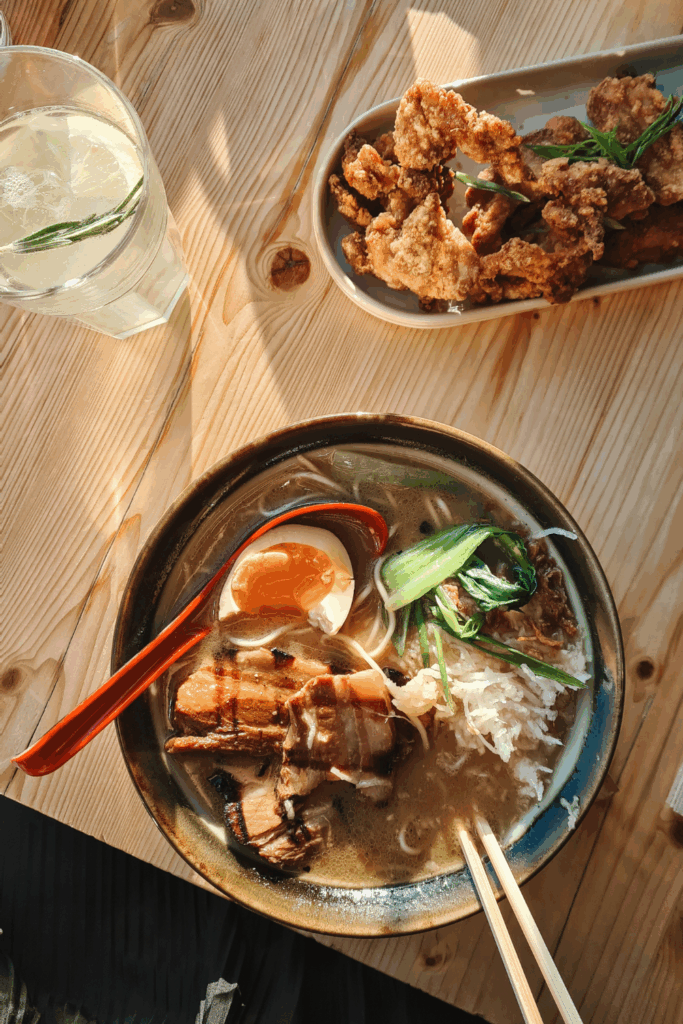
Ichiju sansai means “one soup, three sides,” and it’s the backbone of Japanese home cooking: rice, a soup and three small dishes. It’s resurfacing because the giant-beige-bowl-at-your-desk lunch era is ending, and honestly, good riddance.
You don’t need grilled mackerel to try it (though if you have it, love that for you). Instant miso, leftover roasted veg, a jammy egg and a few pickled cucumbers absolutely count.
Pro tip: Make quick pickles on Sunday (sliced cucumber, rice vinegar, a pinch of sugar and salt) and one side is sorted all week.
3. Swap Coffee Number Three for Hojicha
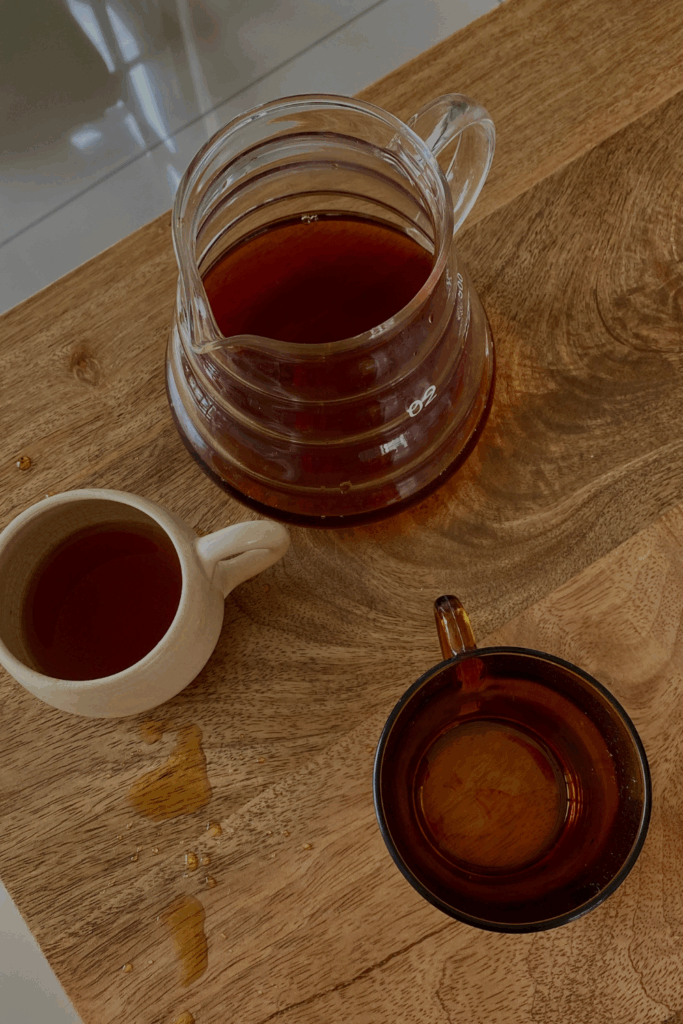
Hojicha is green tea roasted until it turns a toasty reddish brown, which drops the caffeine and gives it a nutty, almost caramel-y flavor. It’s on every café menu right now because we want something cozy for the afternoon slump that won’t have us staring at the ceiling at 2 a.m.
A tin of loose leaf runs about $10 to $25, or whisk the powder into warm oat milk with a drizzle of honey (it tastes like October in a mug). Matcha’s laid-back older sister: same family, way less intense.
Pro tip: It’s very forgiving to brew, so even if you over-steep it, it won’t turn bitter on you the way sencha does.
4. Shinrin-Yoku (Yes, Your Local Park Counts)
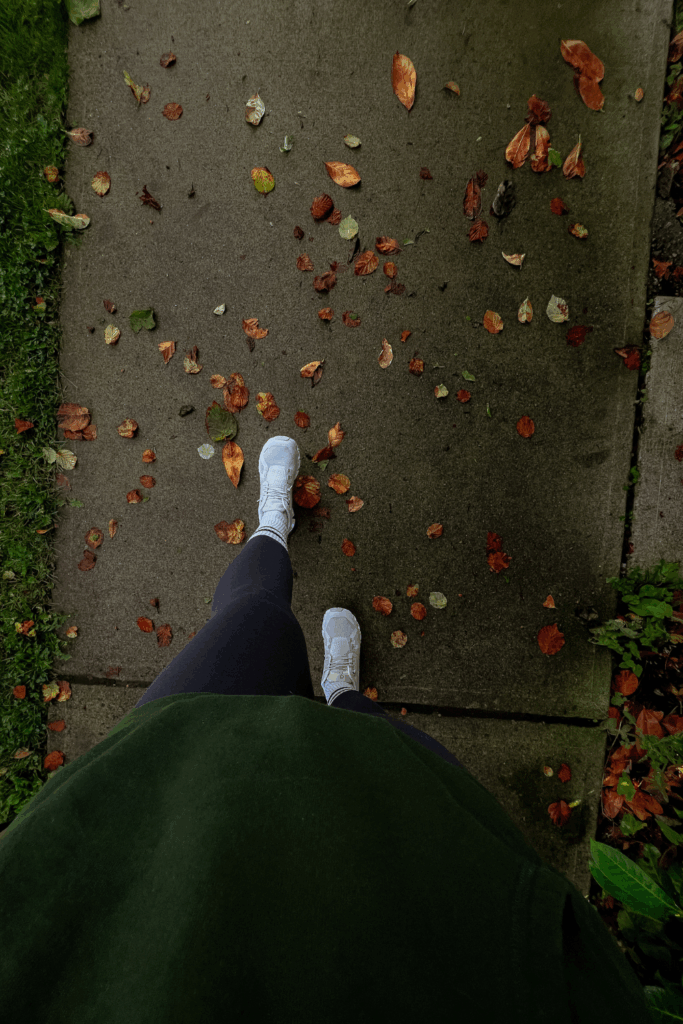
Forest bathing sounds like it involves getting naked in the woods, but it just means slow, unhurried time among trees, a term Japan’s forestry agency coined in 1982. It’s trending again because “touch grass” stopped being an insult and became genuinely solid advice.
Leave the podcast off, walk slower than feels natural and notice things: crunchy leaves, damp bark, that smoky cold-air smell that shows up as evenings get shorter. Twenty minutes in a tree-filled city park counts, so you can cross “drive to a national forest” off your worry list.
Pro tip: Go straight from your desk before you sit down at home, because once you’re on the couch, it’s over.
5. Gokan, Dinner With All Five Senses

Gokan simply means “the five senses,” and Japanese cooking leans on it hard: a meal is meant to please your eyes, nose, ears and hands as much as your tongue. It’s catching on because, let’s be honest, most of us eat dinner as background noise to a show we’re half watching on a second screen.
Tonight, plate your food on a real dish instead of the takeout box, listen to the garlic sizzle as it hits the pan, breathe in the steam before the first bite and notice the textures (crisp, silky, chewy) as you go. Think of it as the dinner-table version of forest bathing: zero extra time, just a little more attention.
Pro tip: You don’t need fancy ceramics. One $5 thrifted bowl you genuinely love makes even instant ramen feel like an occasion.
6. Danshari, the Ten-Minute Let-Go
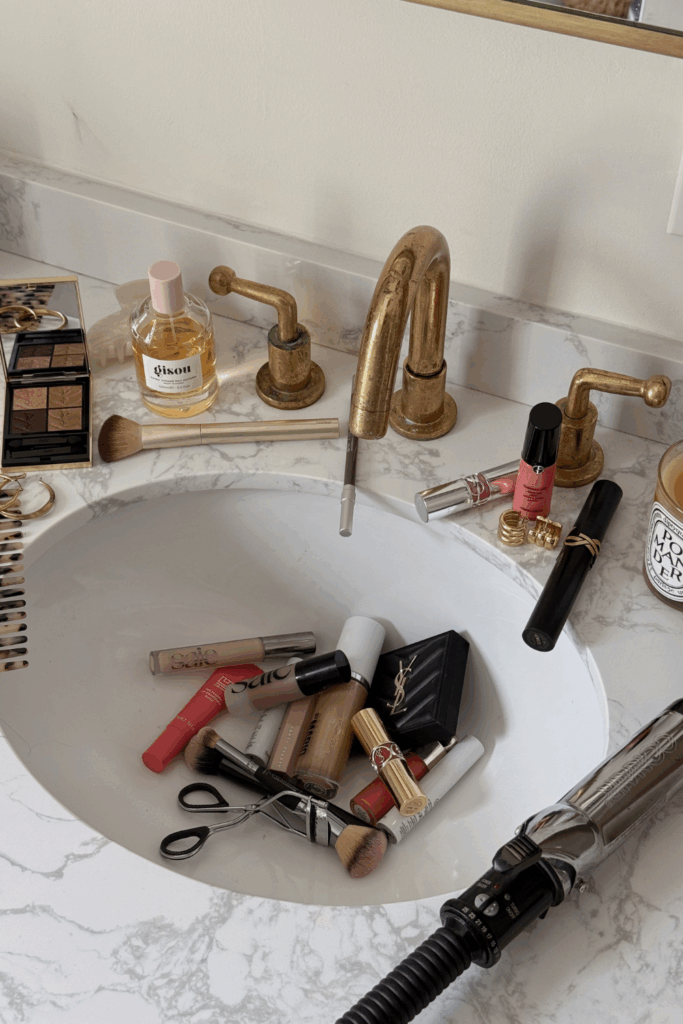
Danshari is a decluttering philosophy (dan: refuse, sha: discard, ri: separate from attachment) that’s a little less precious than the fold-everything-into-tiny-rectangles method.
It’s back because so many of us are drowning in subscription boxes and seventeen nearly empty lip balms. Set a 10-minute timer, tackle one small zone like your bathroom shelf, and ask whether each item earns its spot now, not someday. Translation: lighter, without a full weekend purge.
Pro tip: Keep a “leaving” tote by the front door so donations actually leave the house.
7. Ofuro, the Weeknight Soak

In Japan, the ofuro is an ordinary evening ritual: rinse off first, then soak in water around 40°C (104°F) for 10 to 15 minutes.
A warm soak an hour or two before bed helps your body cool down afterward, which is part of what makes you feel sleepy. Go budget with an $8 bag of Epsom salts or splurge on yuzu or hinoki (Japanese cypress) bath salts in the $25 to $40 range; yuzu season peaks in late fall, so the timing is perfect. No tub?
A long hot shower with the lights low is a very respectable stand-in.
Pro tip: Keep a glass of water on the tub’s edge, because a properly hot soak dehydrates you more than you’d think.
8. Ikigai, Minus the Venn Diagram
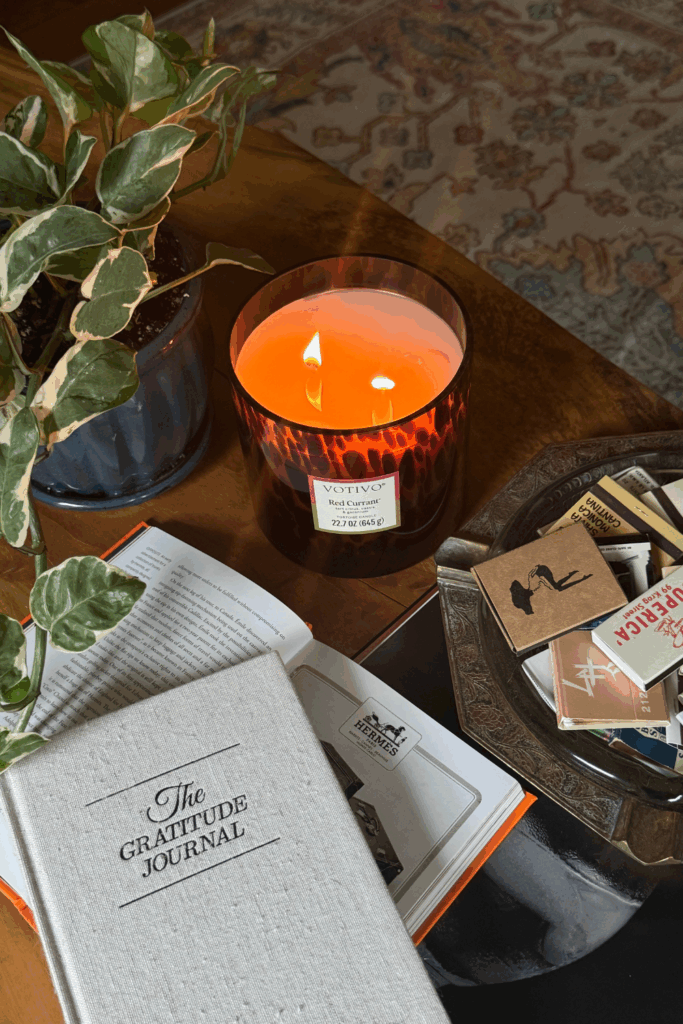
Ikigai roughly means “a reason for being,” and in Japan it’s often small and everyday: a morning walk, your plants, the friend you text every night.
That viral four-circle Venn diagram (passion, mission, vocation, profession)? It’s actually a Western mashup that went big online around 2014, which is why it reads like a LinkedIn post. So no, you don’t need a job that pays well, saves the world and makes you happy by Friday.
Before bed, jot down one small thing that made today feel worth showing up for.
Pro tip: One line a night is plenty, and yes, “the hojicha was really good” counts.
None of this has to happen all at once, or every single day, or in a Kyoto townhouse. Pick the one that made you think “okay, I could actually do that,” try it for a week and let the rest wait. The wellness habit you really do will always beat the one you only saved to watch later.
related articles to Japanese Wellness Habits
- 24 Girls’ Night Ideas That Are, Honestly, Better Than Any Bar You’ve Been To
- 30+ Things to Do Instead of Scrolling This Summer
- How to Get Your Life Together When You’re One Minor Inconvenience Away From Losing It