
Heads up: some links are affiliate, so I may earn a tiny commission (at no extra cost to you!) on stuff I genuinely adore. Please read my Disclosure Policy for additional information.
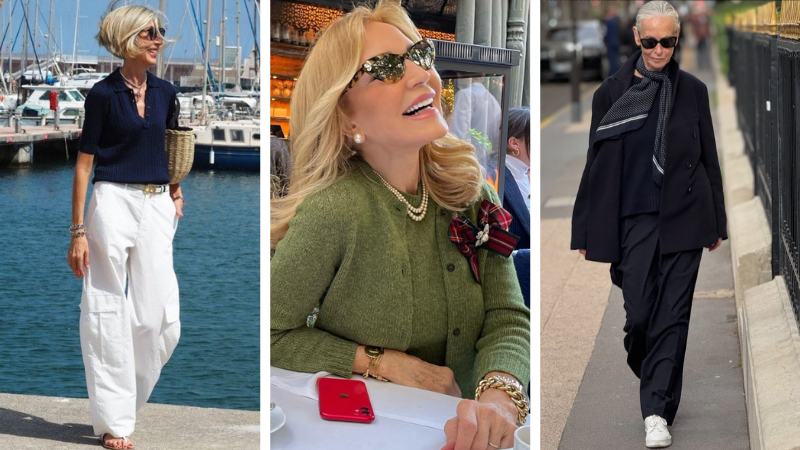
Let’s be honest, dressing after 50 can feel like a full-time job. You know what works for you, but somehow your body, your wardrobe, or the mirror didn’t get the memo. And dressing “old money” after 50?
That’s a different ball game — equal parts I’ve got this and why doesn’t this look as effortless as it did on Pinterest?
But here’s the secret: old money style isn’t about chasing trends or hiding your shape. It’s about refinement; choosing timeless pieces that drape, flatter, and whisper confidence.
And maybe a few style rules to never break if you wanna dress better after 50.
1. Tailoring Over Trends
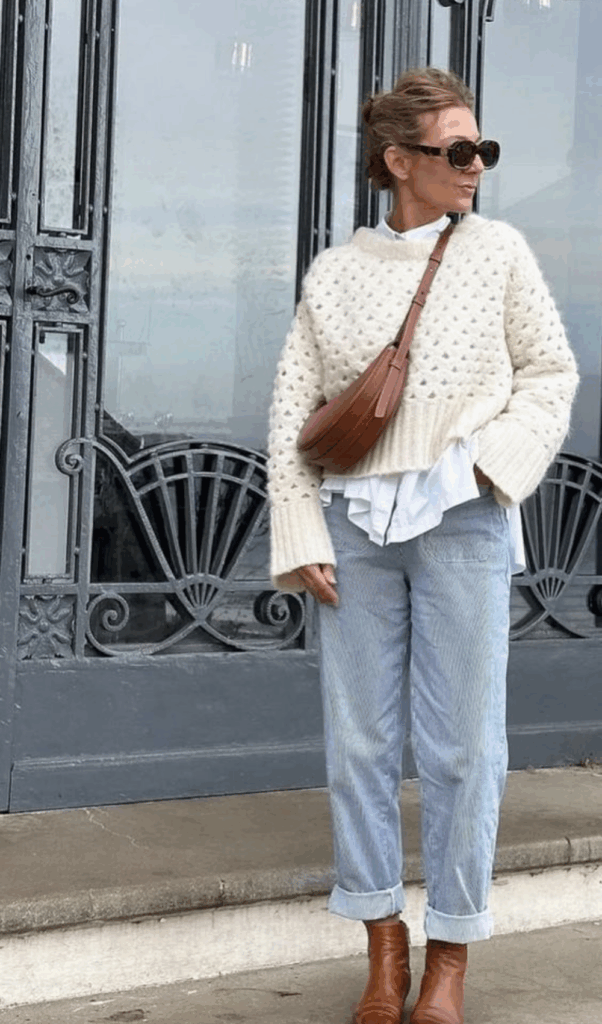
Fit changes everything. Clothes that skim your shape, not cling or hang, instantly make you look sharper and more youthful.
A well-cut jacket or trousers that graze your ankle can make even high-street pieces look custom-made. When clothes fit perfectly, you automatically look more youthful, poised, and self-assured.
If professional tailoring feels daunting, start small — hem pants to your perfect length, nip the waist of a jacket, or tuck in tops intentionally. Fit always outshines fashion.
Pro tip: Buy one outfit that fits your “best” body part perfectly — whether it’s your waist, hips, or shoulders — then tailor the rest of your clothes to match that fit.
2. Fabrics That Move With Grace
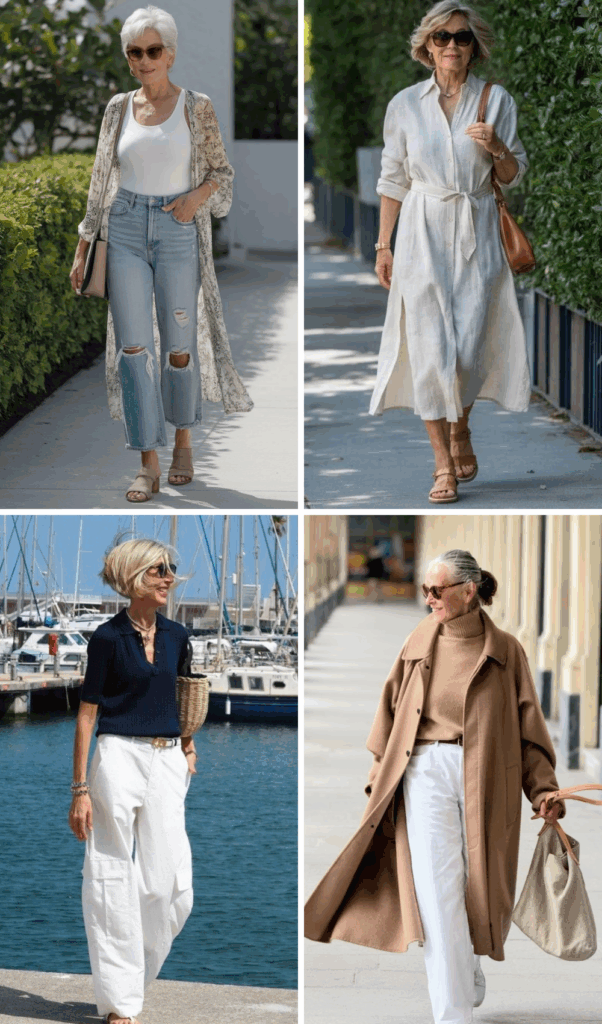
Choose fabrics that feel luxurious to the touch. Natural fibers such as silk, wool, linen, and cotton drape beautifully and age gracefully. These materials have weight and quiet presence that synthetics simply can’t match.
Keep hemlines fluid, not fixed — mid-length skirts, column silhouettes, and slightly cropped pants feel modern, elegant, and effortless.
And remember: true quality is quiet. Avoid fabrics that rustle or swish when you walk. Your presence should turn heads, not your clothes.
Pro tip: When in doubt, touch the fabric. If it feels substantial, breathable, and soft — you’re on the right track.
3. Stick to Heritage Neutrals
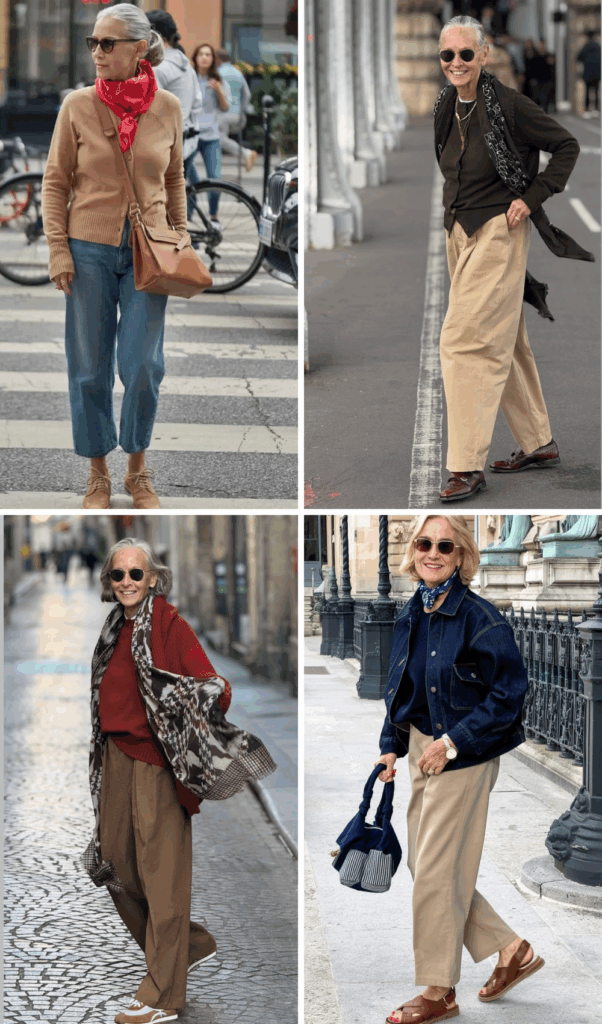
Your color palette is your visual signature. Pick 3–4 core neutrals (camel, navy, taupe, ivory) and 1–2 muted accents (soft olive, powder blue, dusty rose). These shades work seamlessly together, giving your wardrobe that quiet, harmonious feel old money style is known for.
When your colors “speak the same language,” you can mix and match without ever looking mismatched.
Pro tip: Try taking a photo of your outfit in natural light. Heritage neutrals always photograph beautifully and flatter mature complexions.
4. Monotone and Low-Contrast Dressing
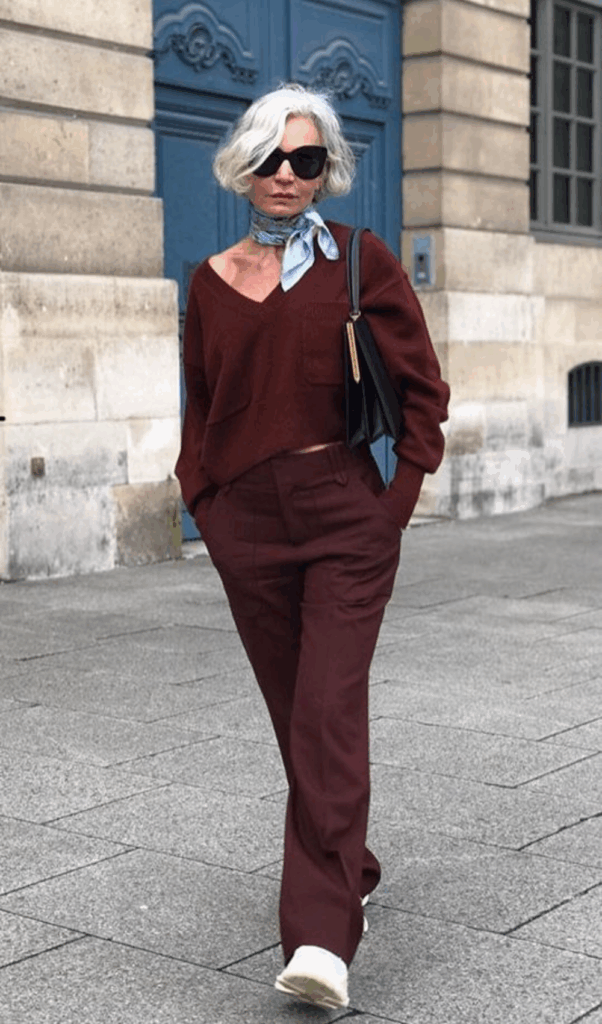
Old money style is calm, never loud. Dressing in tonal (one color top to bottom) or low-contrast layers — beige on cream, navy on charcoal — creates an effortlessly expensive look.
The key is subtle variation: soft differences in tone that add dimension without drama.
Here are my favorite pro tips to dress monochromatically.
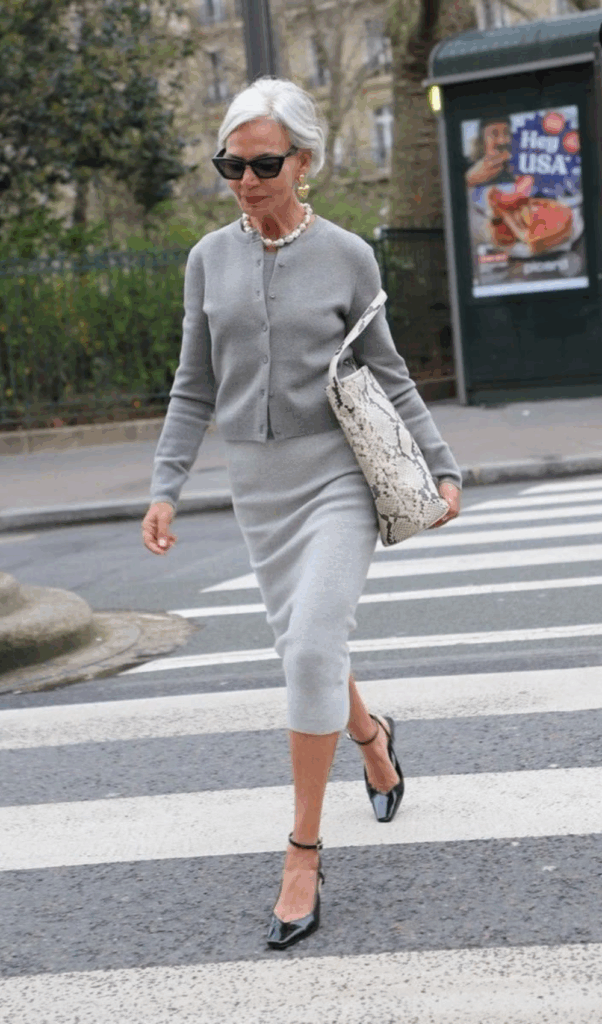
- Play with texture instead of color. Pair linen with silk or wool with satin to keep your outfit interesting and rich.
- Use accessories for depth. A tonal belt, bag, or shoes in a slightly darker or lighter shade of your outfit adds interest without breaking the single color.
- Add one standout piece, like a contrast print scarf, bold earrings, or a great handbag. It keeps your look modern. Think quiet luxury, not matchy-matchy.
5. Skip the Logos and Flashy Buttons

True luxury never needs to shout. Only new money club or people who rarely buy something expensive flex through logos everywhere.
Avoid big logos, shiny buttons, or heavy hardware. Instead, look for pieces with matte finishes, mother-of-pearl, horn buttons, or fabric-covered details.
And remember — luxury hides in the details. Invisible linings, silk trims, monogrammed initials inside a jacket. These are the things that feel rich, even if no one else sees them.
Pro tip: When you get dressed, check the “noise level” of your outfit. If something shiny or branded catches your eye first, tone it down.
6. Invest in the Signature Three
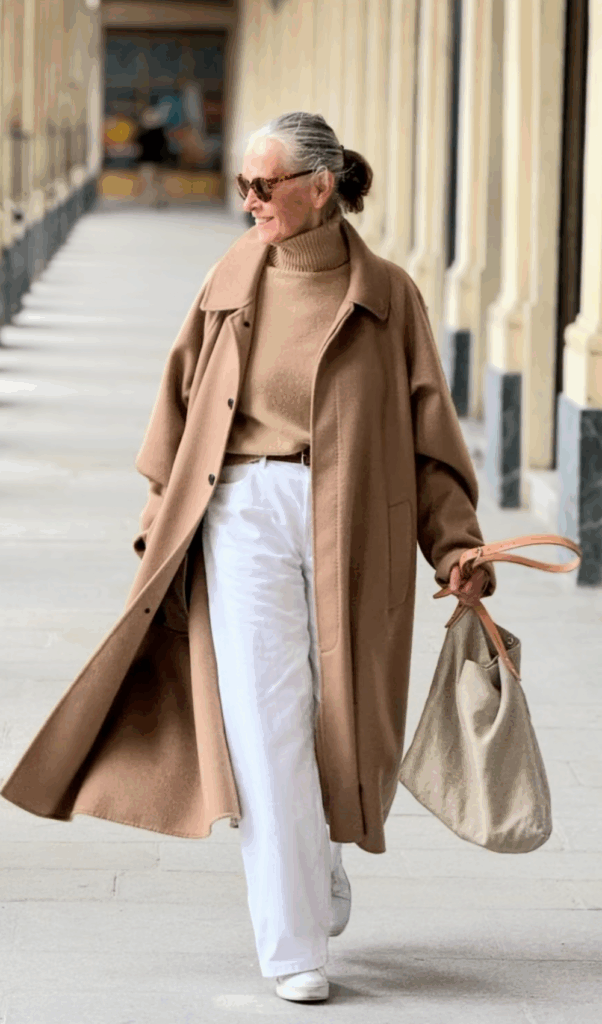
You don’t need a closet full of clothes; you just need three impeccable pieces:
- A beautifully tailored blazer
- A trench or wool coat
- A structured leather bag
These items anchor your wardrobe. Throw them over anything — jeans, knits, even a tee — and you instantly look refined.
Pro tip: Pay attention to structure. Clean seams, sharp shoulders, and sturdy materials always make a strong impression.
7. Incorporate One Masculine Touch
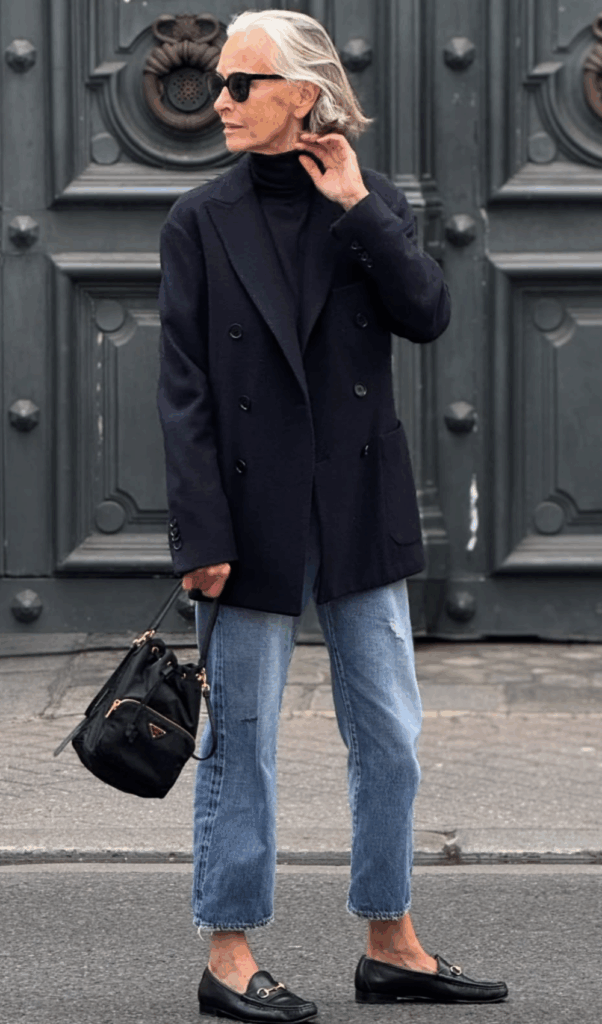
The old money aesthetic thrives on that hint of androgyny; it feels strong and timeless.
Add a tailored piece like a men’s-style shirt, structured blazer, or a pair of loafers. Leave one or two buttons undone and add a delicate chain for that soft-feminine-meets-power-dressing balance. Choose wide-leg or pleated trousers in neutral tones and pair them with heels.
Pro tip: Soften the look with delicate details, such as gold jewelry, silk accessories, or soft curls.
8. Wear One Imperfect Detail
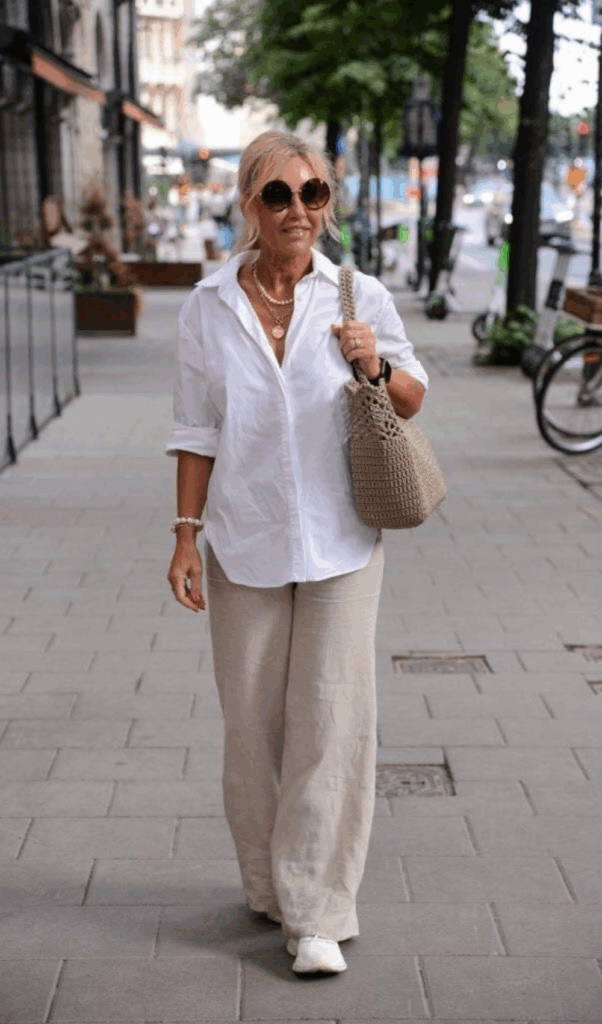
And don’t shy away from one imperfect detail. A rolled sleeve, undone button, or half-tucked shirt makes you look naturally elegant — not over-styled.
Pro tip: If your outfit feels too “perfect,” undo one thing. Real sophistication has softness.
9. Choose Classic Accessories
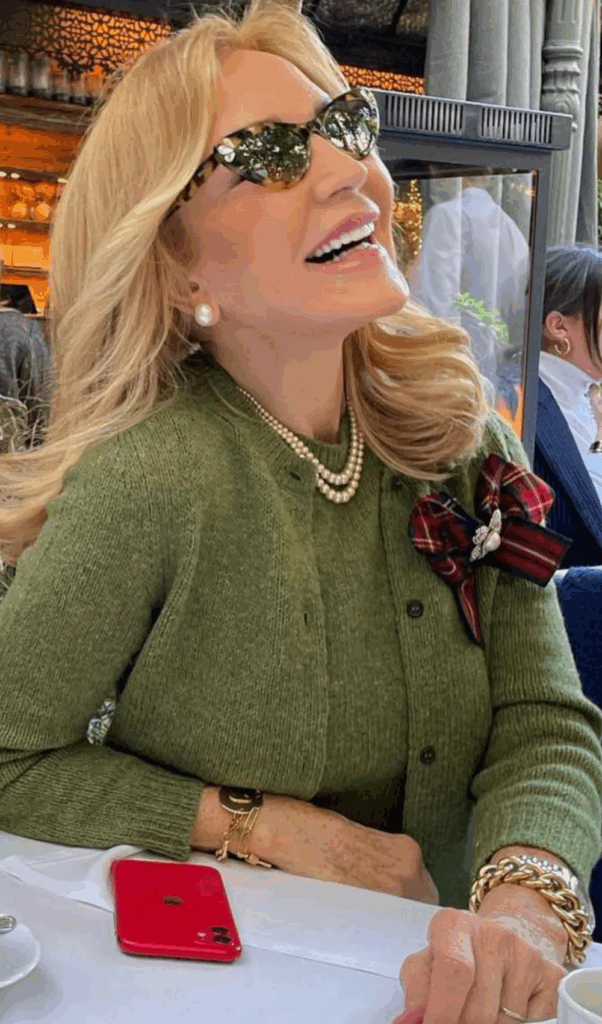
Your accessories should highlight you, not overpower you. Stick to timeless staples like oversized sunglasses, pearl studs, gold hoops, and a sleek watch. When in doubt, remove one piece. Less is always more in old money.
My favorite sunglass tip: Choose polished eyewear over trendy frames — tortoiseshell, matte black, or gold-rimmed glasses exude refinement and work beautifully with mature features.
And here’s a rarely mentioned rule: avoid over-accessorizing your face. Choose one focal point — glasses, statement earrings, or a bold lip. Never all three at once.
10. Shoes and Bags in Neutral Leather
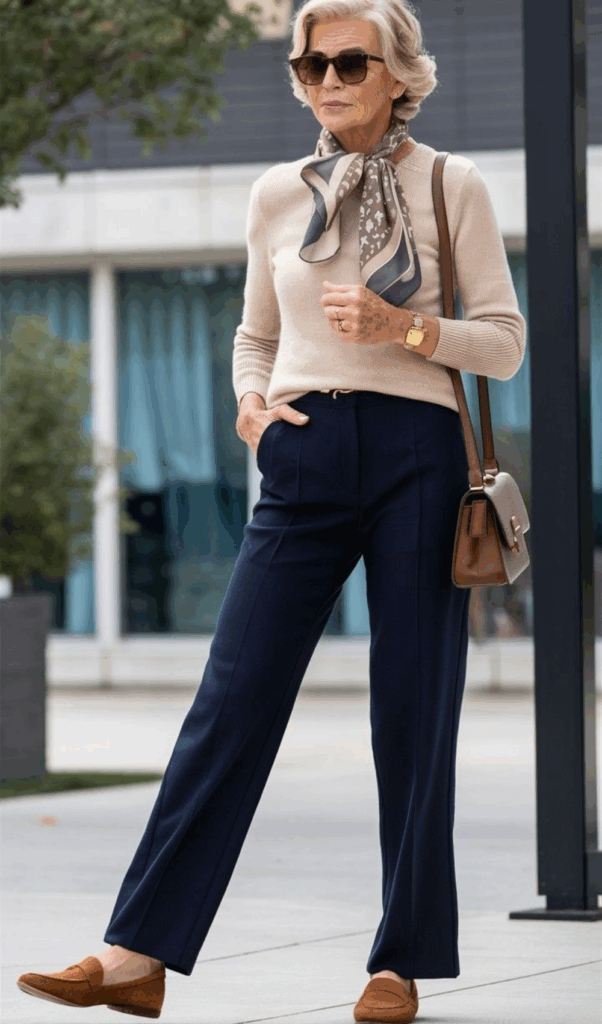
Nothing grounds an outfit like impeccable shoes and bags. Choose structured, logo-free designs in neutral leather — black, tan, ivory, or burgundy.
And if you can, try to match the color or texture of your accessories. It just makes styling outfits easier.
Pro tip: Store tissue inside your bags when not in use to maintain shape, and wipe shoes after each wear. Old money elegance isn’t about buying new; it’s about keeping things beautiful for years.
11. Soft, Controlled Grooming

Mature elegance is about soft control: hair with natural movement, manicured nails, hydrated skin. The overdone — too sleek, too styled, too glam — reads as “trying.”
Always go matte with everything. Matte leather, matte lipstick, matte nail polish. Glossy textures can look too youthful or flashy.
Pro tip: Keep dry shampoo, hand cream, and a soft hairbrush in your bag. Fresh, healthy grooming speaks louder than any statement accessory.
12. The “Finish Factor” Rule
Steamed clothes, pressed collars, lint-free fabrics. These tiny details make you look twice as expensive. It’s not the clothes; it’s the care you show.
Related articles to how to dress old money over 50
- 12 Style Secrets Women Over 50 Swear By (But Rarely Share)
- 14 Best Makeup for Older Women – Top Products and Tips to Age like a Fine Wine
- 10 Serious Habits of Women Who Age Slow: Secrets Revealed!
- 33 Secrets to Look Younger, Ageless, Flawless & Timeless!

all great comments except ripped jeans on an older person looks ridiculous..and not a fan of extra wide pants on someone that isn’t exceptionally tall and thin. Like the idea of jackets and shirts and more structured clothing with some great jewelry and sunglasses, always a plus!