
Heads up: some links are affiliate, so I may earn a tiny commission (at no extra cost to you!) on stuff I genuinely adore. Please read my Disclosure Policy for additional information.
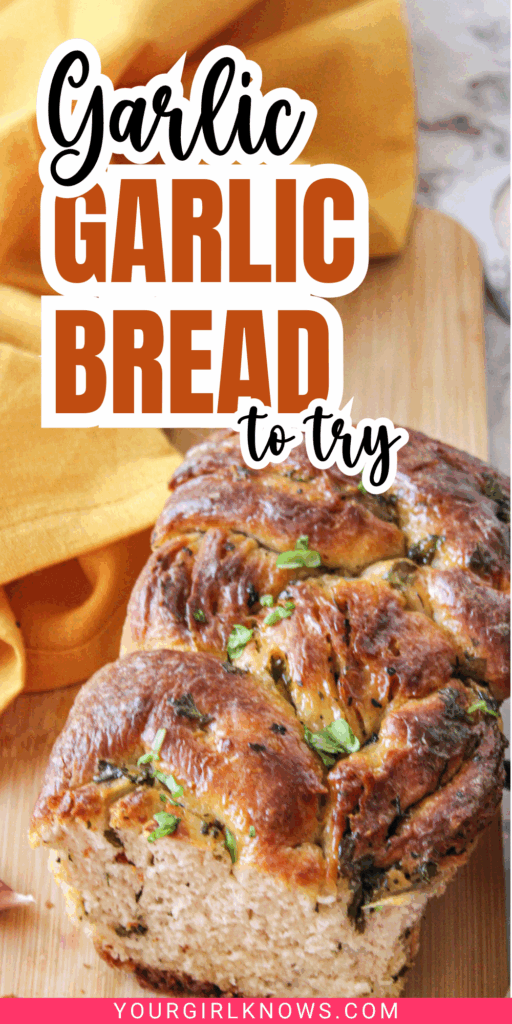
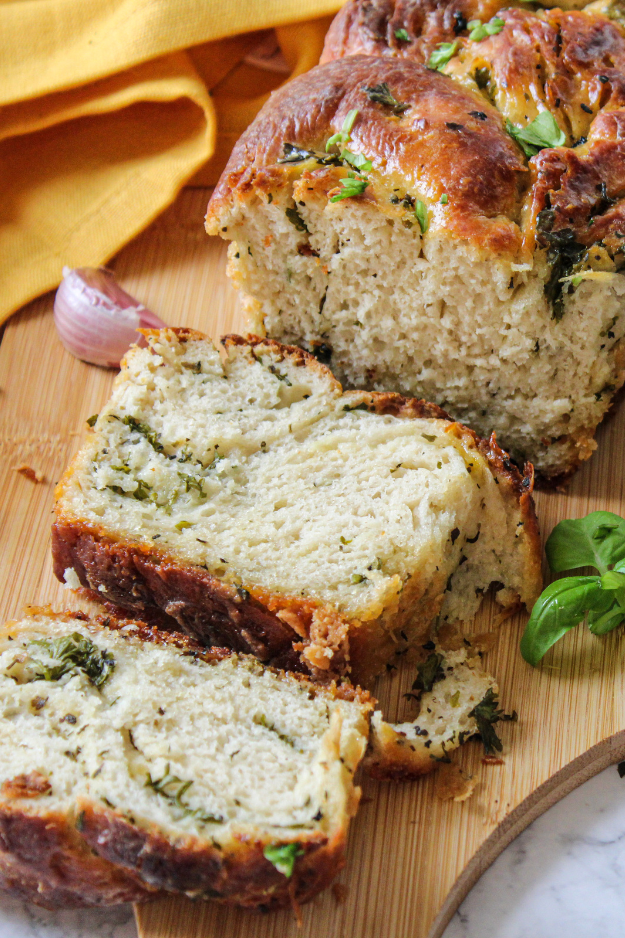
Swirl garlic bread is what happens when regular garlic bread decides to stop being basic. It’s still buttery, still garlicky, still the hero of the table—but now it’s got layers. Drama. Personality. You slice into it and suddenly it’s giving bakery energy instead of “I grabbed this on the way home.”
This recipe is for anyone who believes garlic bread should be the main character, not a side note. Soft inside, golden edges, garlic in every single bite—not just randomly hiding in the middle. Because if we’re committing to carbs, we’re doing it properly.
Why You’ll Love This Recipe
- That swirl matters — The braided shape layers garlic butter into every slice.
- Extra soft texture — Buttermilk keeps the inside tender with a golden crust outside.
- Beginner-friendly dough — Self-rising flour means no complicated techniques.
- Real flavor — Fresh garlic and real butter make all the difference.
- Looks bakery-made — Impressive, yet totally doable at home.
- Pairs with everything — Perfect with pasta, soup, salad, or on its own.
Ingredients

Simple ingredients that come together into something that smells absolutely incredible in the oven.
For the Dough
- 2 cups self-rising flour, plus extra for dusting
- 1 cup buttermilk
- 1 tbsp dry yeast
- ½ tbsp salt
- 1 tbsp butter (goes into the dough)
For the Garlic Butter Filling
- 7 tbsp butter, softened (the remaining butter after 1 tbsp goes into the dough)
- 3 cloves garlic, freshly minced or finely chopped
- 6 tbsp fresh parsley, chopped — or dried parsley works fine too
Step-by-step instructions
Step 1: Mix the Dry Ingredients

In a medium bowl, whisk together the self-rising flour, dry yeast, and salt. Whisk them together so everything is evenly distributed before the wet ingredients go in.
Step 2: Form the Dough

Pour in the buttermilk and add 1 tablespoon of butter. Mix everything together with a spatula until a shaggy dough forms, then work it into a rough ball. It doesn’t need to be perfectly smooth at this stage.
Cover the bowl with a clean kitchen towel or cling wrap and set it somewhere warm — near a preheating oven, on top of the fridge, or in a slightly warm oven with just the light on. Let it rest for about 1 hour, or until it has roughly doubled in size.
Step 3: Make the Garlic Butter

While the dough is rising, mix the remaining 7 tablespoons of softened butter with the minced garlic and parsley in a small bowl. Stir well until fully combined. Set aside at room temperature so it stays spreadable.
Step 4: Roll Out the Dough
Once risen, transfer the dough to a lightly floured surface. Sprinkle the top with a little flour and use a rolling pin to roll it into a rectangle roughly 16 x 10 inches. Aim for an even thickness throughout — this helps the bread bake and swirl evenly.
Step 5: Spread the Filling
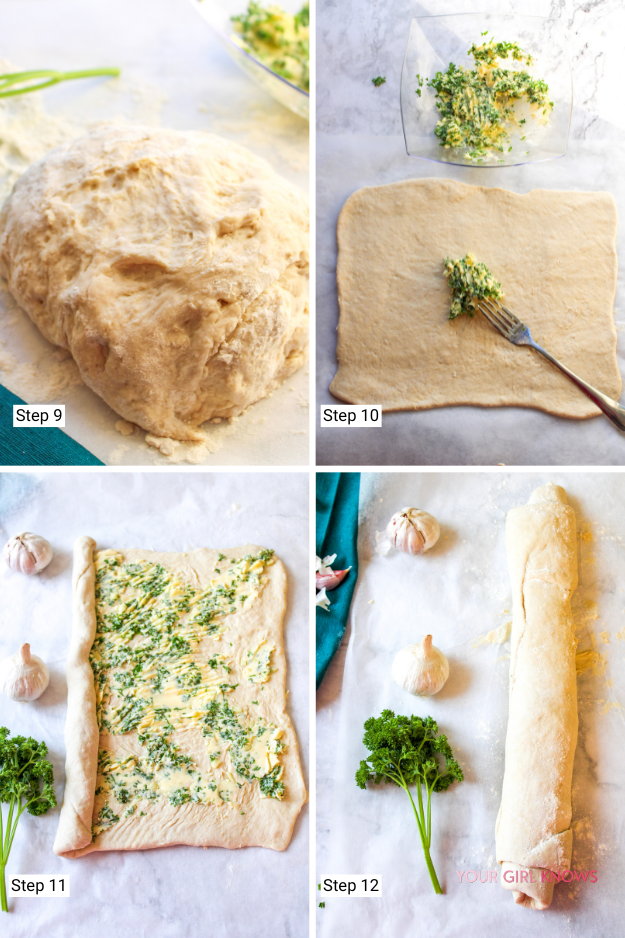
Spoon the garlic butter mixture over the entire surface of the dough and spread it evenly right to the edges using a fork, knife, or offset spatula. Be generous — you want every layer of the bread packed with that garlicky filling.
Step 6: Roll and Cut

Starting from the long edge, roll the dough tightly into a log, as you would a cinnamon roll. Pinch the seam closed at the end. Using a sharp knife or dough scraper, cut the log in half lengthways so you have two long pieces, with the layers fully exposed.
Step 7: Shape the Swirl

Take the two cut pieces and twist them around each other like a braid or rope, keeping the cut sides facing up so the layers stay visible. Then coil one end of the rope around itself in a spiral, like a snake curling up.
Take the other end and coil it in the opposite direction so you get a symmetrical swirl shape on both sides. Tuck the ends under neatly and carefully transfer the whole thing into a greased medium loaf pan.
Step 8: Bake

Preheat your oven to 350°F (175°C). Bake the loaf for 35 minutes, until the top is deep golden brown and the bread sounds hollow when you tap the bottom. If the top is browning too quickly before the time is up, loosely tent it with a piece of foil.
Step 9: Rest and Serve

Let the bread cool in the pan for 10 minutes before removing. Serve warm — the garlic butter layers will still be soft and fragrant, and the bread will pull apart beautifully.
How to Shape the Swirl — Step by Step
The shaping is the most visually impressive part of this recipe, and once you understand the logic, it’s easier than it looks. Here’s a clear breakdown:
Step A — Roll the Log
Roll the filled dough into a tight log from the long edge, just like a Swiss roll. Pinch the seam shut.
Step B — Cut in Half Lengthways
Use a sharp knife to slice the log all the way down the middle, from one end to the other. You’ll now have two long strips with all the layers exposed.
Step C — Twist the Two Pieces Together
Keep the cut sides facing up. Lay the two strips side by side and twist them around each other loosely — like braiding a two-strand rope. Don’t press them together; you want the layers to stay open and visible.
Step D — Coil into a Swirl
Take one end of the twisted rope and coil it inward in a spiral, like a snail shell. Take the other end and coil it in the opposite direction so both sides mirror each other. Tuck the ends under.
Step E — Transfer to Pan
Carefully lift the shaped loaf into a greased medium loaf pan. It should fit snugly. The shape will hold during baking and the layers will bloom open as it rises in the oven.
Pro Tips
Warm your buttermilk slightly before adding it. Cold buttermilk can slow down the yeast activation. Room temperature or very slightly warmed buttermilk (not hot) gives the yeast the best environment to work in and helps the dough rise more reliably.
Keep the cut sides facing up when shaping. This is the key to that beautiful layered look on top of the loaf. If you flip them, you lose the visual effect entirely. Throughout the twisting and coiling, always keep those exposed layers pointing upward.
Don’t rush the rise. The full hour of resting time is important. A dough that has properly doubled in size will be lighter, more tender, and easier to roll out. If your kitchen is cold, give it extra time — the dough will tell you when it’s ready.
Use fresh garlic, not powder. Freshly minced garlic mixed into soft butter creates a completely different depth of flavor compared to garlic powder. The real thing caramelizes slightly during baking and fills the entire kitchen with the best possible smell.
Grease the pan generously. The garlic butter that oozes out during baking can stick. Use softened butter or cooking spray on all sides and the bottom of the loaf pan to guarantee a clean release.
Variations & Customizations
The swirl technique works with so many different fillings — once you’ve got the method, you can reinvent this bread endlessly:
- Add cheese — Scatter a generous layer of grated parmesan, mozzarella, or sharp cheddar over the garlic butter before rolling. The cheese melts between the layers and gets slightly crispy at the edges during baking.
- Chilli garlic — Add a pinch of red chilli flakes or finely diced fresh chilli to the garlic butter for a subtle heat that builds with every bite.
- Rosemary and sea salt — Swap the parsley for finely chopped fresh rosemary and finish the top of the loaf with a sprinkle of flaky sea salt before baking.
- Roasted garlic — For a sweeter, more mellow garlic flavor, use roasted garlic instead of fresh. Roast a whole head in the oven at 400°F for 40 minutes, then squeeze the soft cloves directly into the butter.
- Make it a pull-apart loaf — Instead of a loaf pan, arrange the twisted pieces in a round cake tin or cast iron pan. As it bakes, the sections naturally separate into pull-apart portions — great for sharing at the table.
- Sweet version — Replace the garlic butter filling with cinnamon sugar butter and a handful of raisins for a sweet swirl bread that works beautifully for breakfast.
Storage & Reheating
| Method | Details |
|---|---|
| Room Temperature | Wrap tightly in foil or store in an airtight container for up to 2 days. Best eaten the day it’s baked while the crust is still slightly crisp. |
| Fridge | Store wrapped for up to 4–5 days. The bread will firm up in the fridge, so reheating is a must before serving. |
| Freezer | Slice the loaf, wrap individual slices in cling wrap, and freeze for up to 1 month. Thaw at room temperature or warm directly from frozen. |
| Oven Reheat | Wrap in foil and warm at 300°F (150°C) for 10–12 minutes. Remove the foil for the last 2 minutes to crisp the crust back up. |
| Microwave Reheat | 30–45 seconds per slice. The bread will be soft and warm but won’t have a crispy exterior. |
Frequently Asked Questions

Can I Use All-Purpose Flour Instead of Self-Rising Flour?
Yes. For every cup of self-rising flour, use 1 cup all-purpose flour plus 1½ teaspoons baking powder and ¼ teaspoon salt. Since this recipe already includes salt, simply add 3 teaspoons of baking powder total for 2 cups of flour.
My Dough Didn’t Rise. What Went Wrong?
The yeast is likely the issue. Check that it isn’t expired, and make sure the dough rested in a warm environment. Yeast works slowly in cold kitchens — give it extra warmth and time if needed.
Can I Use a Bread Machine for the Dough?
Yes. Add all dough ingredients to the machine and use the dough cycle. Once risen, proceed with rolling and shaping as instructed.
My Loaf Came Out Doughy in the Middle. What Happened?
It likely needed more baking time or your oven runs cool. The loaf should sound hollow when tapped on the bottom. For accuracy, check that the internal temperature reaches 190–200°F (88–93°C).
Can I Make the Dough the Night Before?
Yes. Cover and refrigerate the dough overnight instead of letting it rise at room temperature. The next day, let it sit at room temperature for 30–45 minutes before rolling and shaping.
Do I Need a Loaf Pan, or Can I Bake It on a Flat Tray?
A loaf pan is recommended to help maintain the swirl shape and prevent spreading. If needed, use a round cake tin or small cast iron skillet — the shape will differ, but it will bake properly.

Swirl Garlic Bread
A beautifully braided loaf layered with garlicky herb butter — golden, pull-apart, and impossible to stop eating straight from the pan.
Ingredients
Dough
- 2 cups self-rising flour (+ extra for dusting)
- 1 cup buttermilk
- 1 tbsp dry yeast
- ½ tbsp salt
- 1 tbsp butter
Garlic Butter Filling
- 7 tbsp butter, softened
- 3 cloves garlic, minced
- 6 tbsp fresh or dried parsley, chopped
Instructions
- Mix flour, yeast, and salt. Add buttermilk and 1 tbsp butter; mix into a ball. Rest in a warm place for 1 hour until doubled.
- Mix remaining butter, garlic, and parsley together. Set aside.
- Roll dough into a 16 x 10-inch rectangle on a floured surface.
- Spread garlic butter evenly over the dough. Roll into a tight log and pinch the seam shut.
- Cut the log in half lengthways. Twist the two pieces together, cut sides up. Coil one end inward, the other end in the opposite direction. Tuck ends under and place in a greased loaf pan.
- Bake at 350°F (175°C) for 35 minutes until deep golden. Rest 10 minutes before serving.
related articles to swirl garlic bread
- Creamy Hamburger Potato Soup Recipe That’s Perfect for Cold or Busy Weeknights
- 31 Juicy Chicken Breast Recipes That Prove Chicken Doesn’t Have to Be Sad
- 25 Egg Recipes You’ll Make on Repeat Without Getting Bored
- 23 Clean Eating Recipes So Easy and Fresh You’ll Never Miss the Junk