
Heads up: some links are affiliate, so I may earn a tiny commission (at no extra cost to you!) on stuff I genuinely adore. Please read my Disclosure Policy for additional information.
Knowing how to reduce open pores starts with understanding what actually makes them look larger. Congestion, oil overproduction, dehydration, and collagen loss are the four biggest causes — and all four are fixable.
1. Massage Your Cleanser in for 60 Seconds
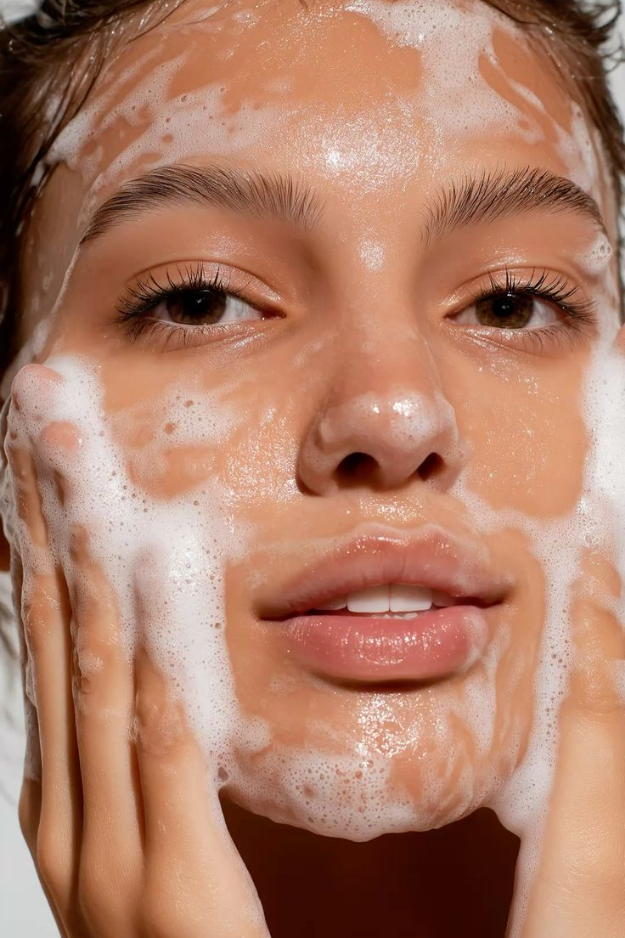
Most people rinse within ten seconds — not enough time for anything to dissolve. Massaging cleanser into the skin for a full minute, especially around the nose and cheeks, gives oil and sunscreen time to actually break down rather than sitting inside pores.
What to use: Salicylic acid for oily or congested skin. Sulfur if you’re very oily. A low-foam gentle cleanser for dry or sensitive skin.
2. Ice After Skincare — Not Before
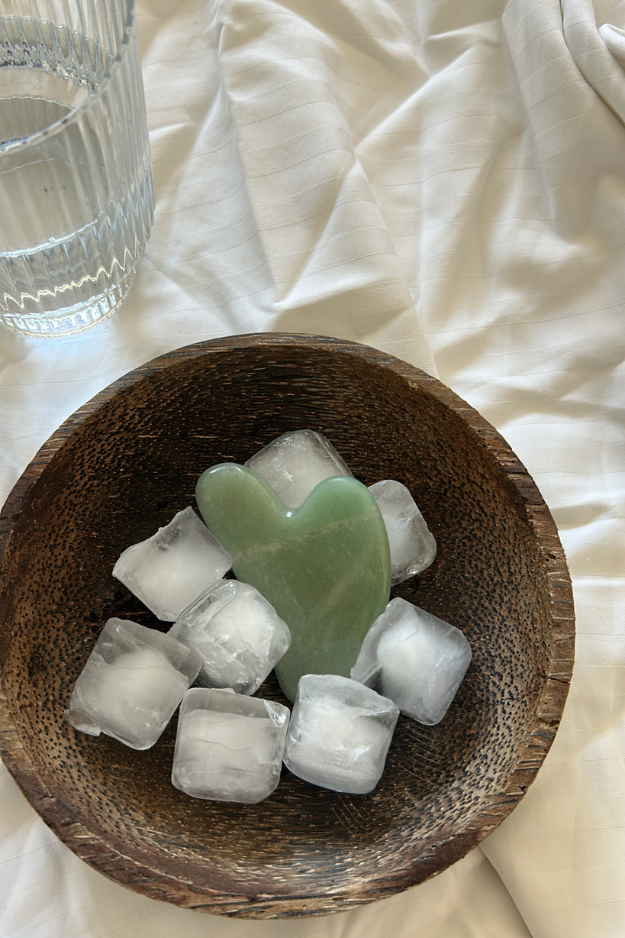
Cold temporarily tightens pore appearance and reduces surface inflammation — but timing matters. Applied before moisturizer, it restricts blood flow before products absorb. Applied after your full routine, it locks everything in and creates a tightened, smoother finish.
Pro tip: Wrap ice in a thin cloth and press for 30 seconds. Never rub bare ice directly — it can cause capillary damage over time.
3. Niacinamide Helps Reduce Open Pores
Most people skip straight to strong acids — which often causes irritation without better results. Niacinamide at 4–5% reduces oiliness and makes pores look smoother over time with significantly less irritation. It’s the better starting point if your pores look larger by midday, your skin gets shiny fast, or acids consistently bother you.
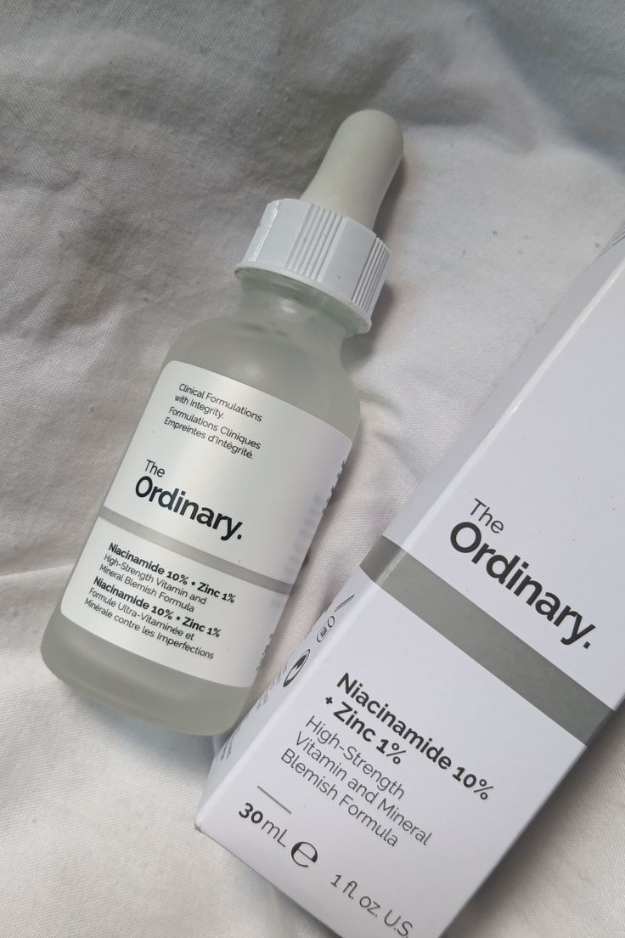
Pro tip: The Ordinary Niacinamide 10% + Zinc 1% is one of the most cost-effective pore-minimizing serums available at any price point.
4. Retinoids Prevent Pores From Stretching

Retinoids don’t physically shrink pores. They increase cell turnover and prevent the dead skin buildup that stretches pore walls open over time. Start two to three nights a week, apply moisturizer before or after if sensitive, and give it a genuine 8–12 weeks before judging results.
Pro tip: Results usually appear around week ten — most people quit at week four. The long game is the whole point.
5. Dehydrated Skin Makes Pores Look Bigger
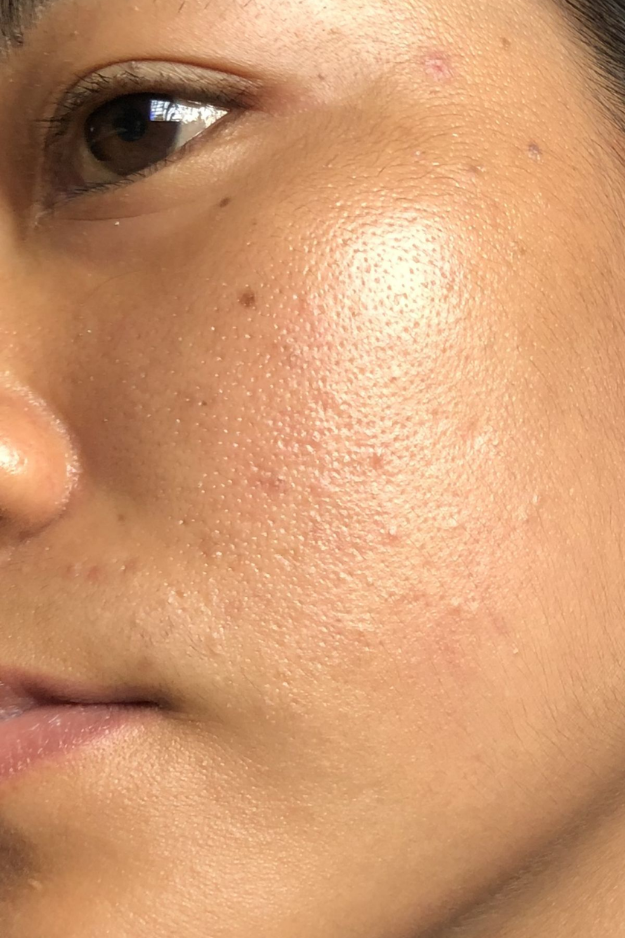
When skin lacks water, it overproduces oil to compensate — which fills pores faster and makes surface texture look rougher. The fix isn’t more exfoliation. It’s better hydration: lightweight gel moisturizer, glycerin, hyaluronic acid on damp skin.
Pro tip: If skin feels tight after cleansing, the cleanser is too stripping. That tightness is what triggers the oil overproduction that worsens pores.
6. Use Clay Masks Strategically

Apply clay only to pore-heavy zones — nose, inner cheeks, forehead — for five to ten minutes, once a week. A full-face clay mask used too often over-dries the skin and triggers the oil overproduction you’re trying to reduce.
Pro tip: Remove while the mask is still slightly tacky — not fully dry and cracked. Fully dried clay has already stripped too much.
7. SPF Helps Reduce Open Pores Long-Term

UV damage breaks down collagen around pore walls, causing them to sag open and appear larger over time. Daily SPF 30 or above prevents this — it’s not a dramatic immediate fix but it’s one of the most meaningful long-term pore habits available.
Pro tip: If sunscreen texture puts you off, try a gel or fluid formula. EltaMD UV Clear SPF 46 is formulated specifically for oily and pore-prone skin.
8. Stop Looking in a Magnifying Mirror

Human skin has visible pores. All of it. Examining skin at close range under magnification turns normal skin texture into a perceived problem. Assess your skin at normal viewing distance in natural light. If you wouldn’t notice it in a regular mirror, it doesn’t need treating.
9. Silicone Primers Work Immediately
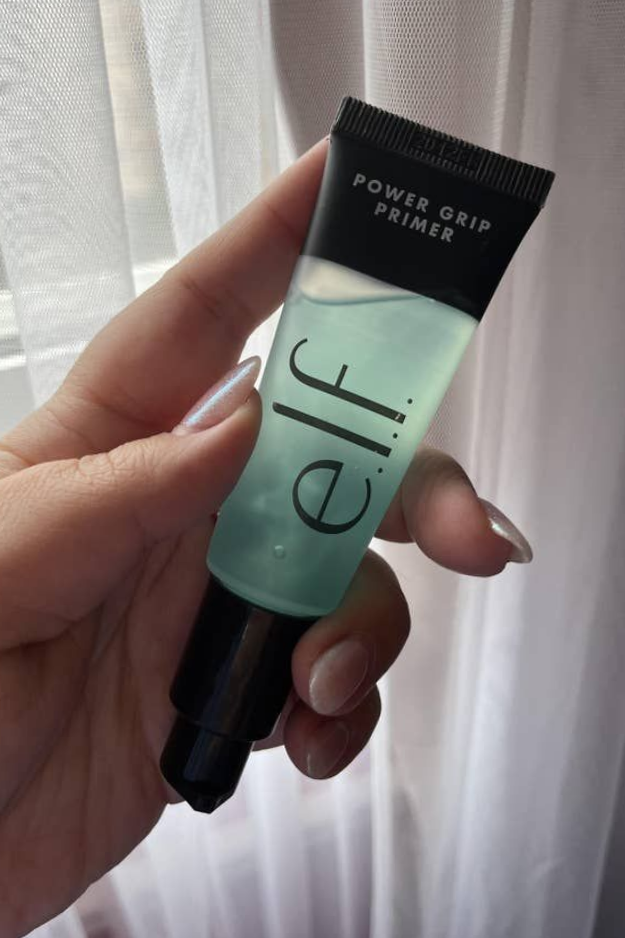
For events or photographs — a dimethicone-based primer applied very thinly to pore-heavy areas blurs and smooths the surface faster than any skincare. Apply sparingly and only where needed. A thin layer blurs. A thick layer balls up under foundation and creates more texture than it removes.
10. Those Black Dots on Your Nose Are Probably Sebaceous Filaments
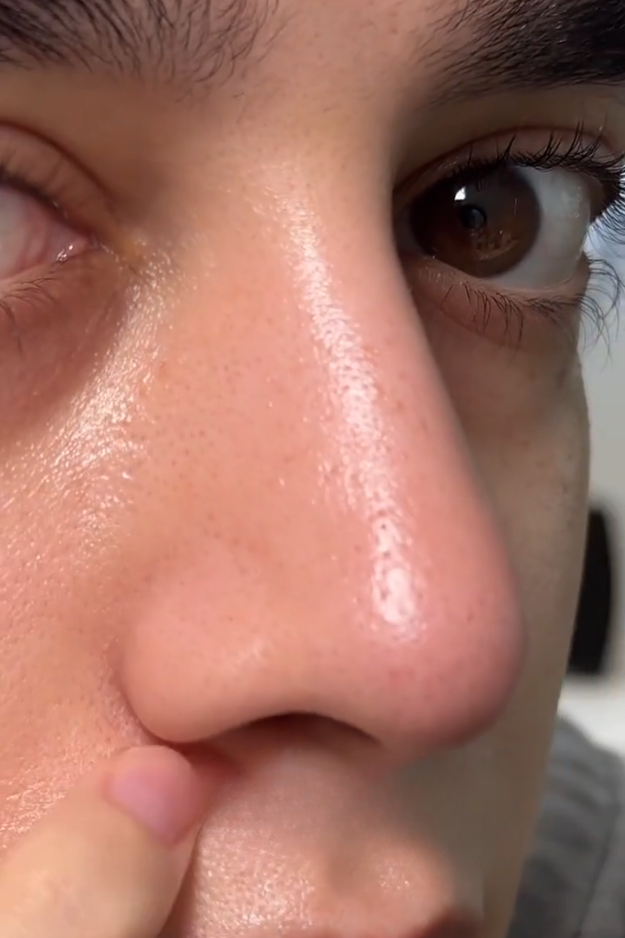
If the same black dots keep coming back within weeks of removal, they’re sebaceous filaments — normal oil-carrying structures that refill naturally every 20–30 days. Treating them like blackheads — squeezing, pore strips — damages the pore wall and makes them look larger over time. A consistent salicylic acid and retinoid routine minimizes appearance without damage.
Pro tip: Pore strips remove the visible tip but do nothing for the root and cause repeated capillary damage on the nose. The satisfaction is real. The benefit isn’t.
If you’re trying to figure out how to reduce open pores, the biggest mistake is constantly switching products instead of staying consistent with a simple routine.
The Routine That Works
Morning: Gentle cleanser → niacinamide serum → lightweight moisturizer → SPF
Night: Cleanser (60-second massage) → salicylic acid or retinoid (not both at first) → moisturizer
Consistency for eight to twelve weeks delivers visible results. That’s the whole formula.