
Heads up: some links are affiliate, so I may earn a tiny commission (at no extra cost to you!) on stuff I genuinely adore. Please read my Disclosure Policy for additional information.
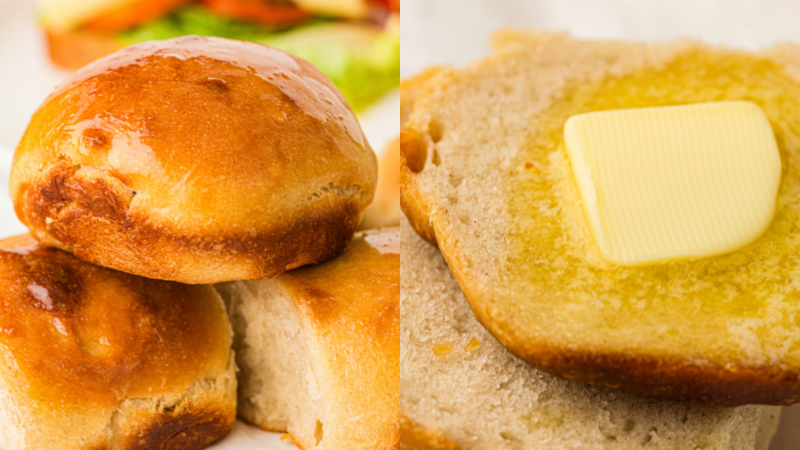
Soft, pillowy, golden-topped dinner rolls with a subtle sourdough depth that no store-bought roll can touch. These are the kind of rolls that make people reach for a second one before they’ve finished their first.
Most of the time is hands-off rising — the actual work is about 25 minutes. The results are worth every hour of the wait.
Why You’ll Love This Recipe
- Incredibly soft and fluffy — Milk, butter, and honey in the dough make these rolls pillowy, tender, and slightly sweet in the best way.
- That sourdough flavor — Active starter gives them a subtle complexity that makes them taste more interesting than an everyday dinner roll.
- Pull-apart perfection — Baked touching in a 9×13 pan, they come out soft-sided and perfectly portioned. Pull them apart at the table.
- Buttered right out of the oven — Brushed with melted butter the moment they come out. The shine, the softness, the smell — it’s everything.
- Make-ahead friendly — Shape them the night before, refrigerate overnight, and bake fresh in the morning. Holiday-proof.
- Versatile — Serve alongside soup, use for sliders, eat plain with more butter. There’s no wrong way.
Ingredients
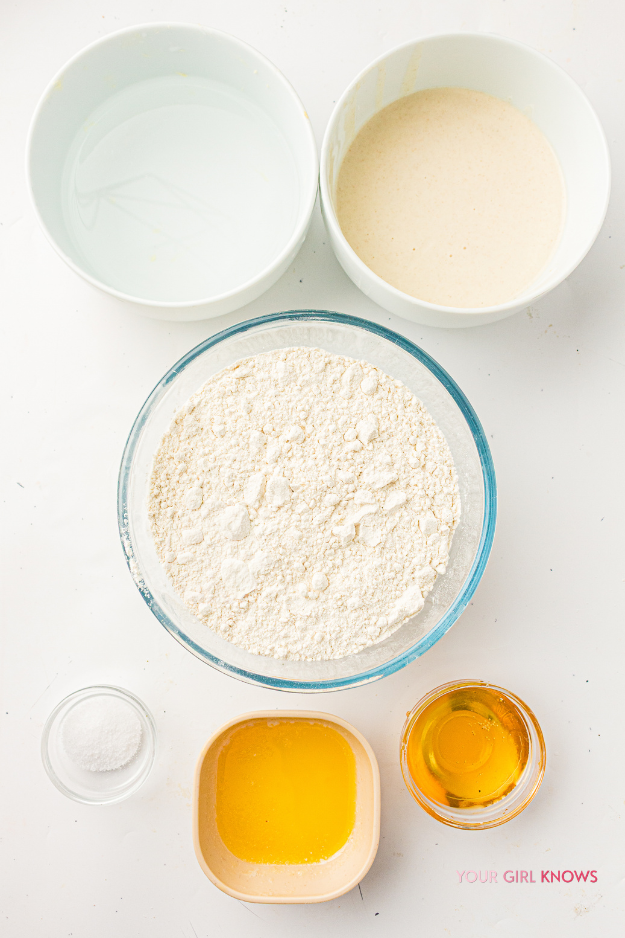
For the Dough
- 1 cup active sourdough starter (240g), bubbly and doubled
- 1 cup warm milk (240ml)
- 3 tablespoons unsalted butter, melted (42g)
- 2 tablespoons honey or sugar (30g)
- 3½–4 cups bread flour (440–500g)
- 1½ teaspoons fine sea salt (9g)
For Brushing
- 2 tablespoons unsalted butter, melted (28g)
- Flaky salt or chopped fresh parsley (optional)
Step-by-Step Instructions
Step 1: Make the Dough
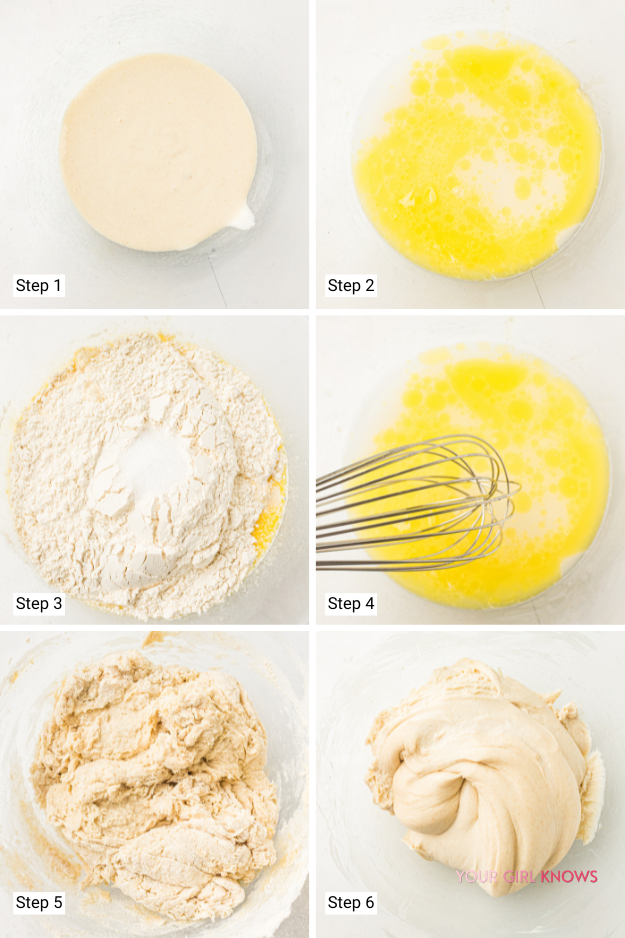
In a large bowl, combine the active sourdough starter, warm milk, melted butter, and honey. Stir until smooth and fully combined. Add 3½ cups of bread flour and the salt and mix until a soft dough forms.
If the dough feels sticky and won’t pull away from the bowl, add more flour a tablespoon at a time until manageable — but keep it soft. A slightly tacky dough makes softer rolls than a stiff one.
Step 2: Knead
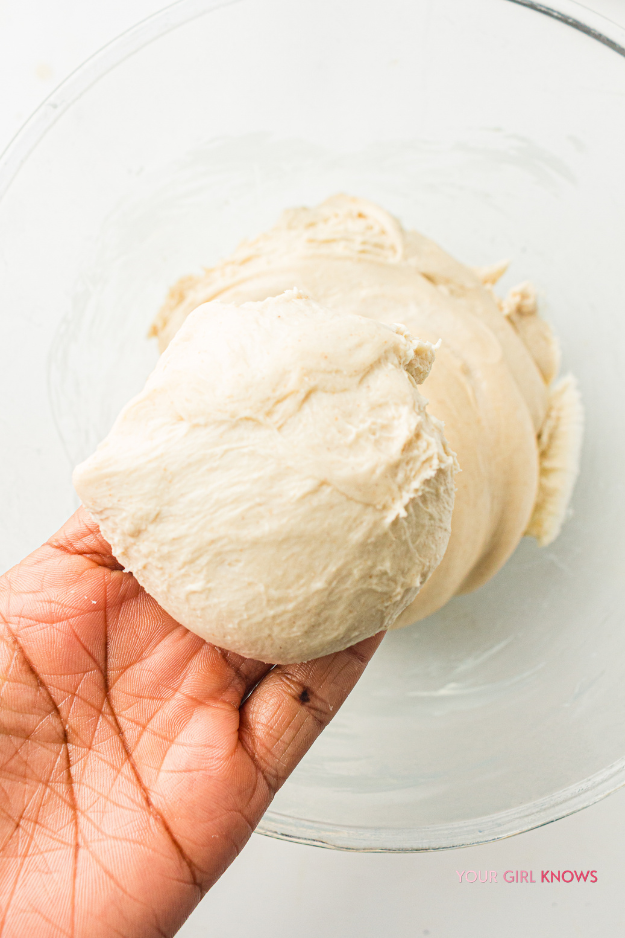
Turn the dough onto a lightly floured surface and knead for 8–10 minutes until it’s smooth, elastic, and slightly tacky but not sticky. It should pass the windowpane test — stretch a small piece gently and it should become translucent without tearing. This level of gluten development is what gives the rolls their structure and soft, chewy interior.
Step 3: First Rise
Place the dough in a lightly buttered bowl, cover with plastic wrap or a damp kitchen towel, and let rise at room temperature for 4–6 hours until it has grown by about 50–75% and feels noticeably puffy and airy. Sourdough rises more slowly than commercial yeast — be patient. A warm spot in the kitchen speeds things up.
Step 4: Divide and Shape
Turn the risen dough onto a lightly floured surface and divide into 12 equal pieces. To shape each roll, flatten a piece slightly, then tuck the edges underneath and roll it gently against the counter in a circular motion until it forms a tight, smooth ball with good surface tension. Shaped rolls that aren’t tight enough won’t hold their shape through the second rise.
Step 5: Second Rise
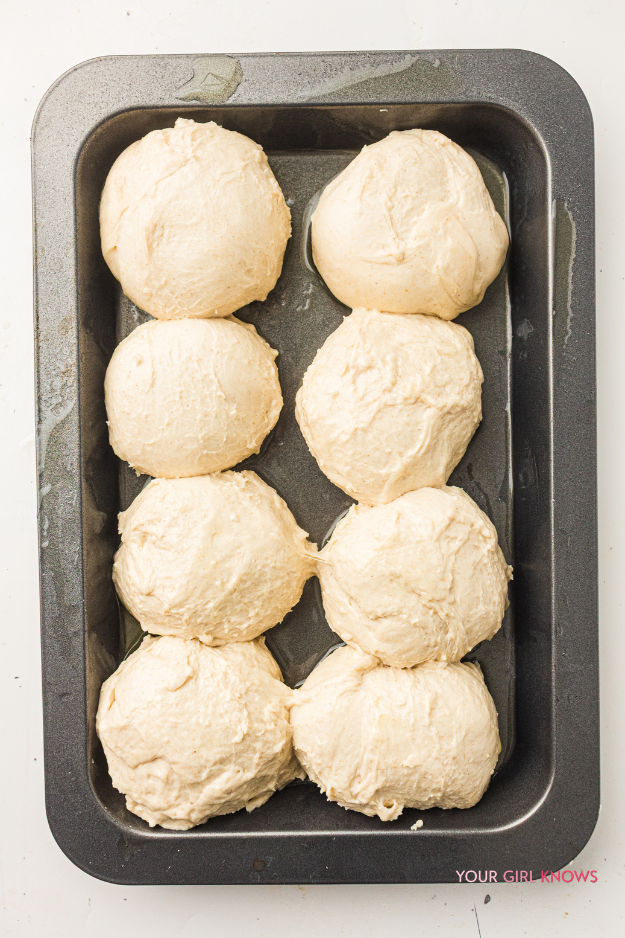
Arrange the shaped rolls in a well-buttered 9×13 inch baking dish, spaced slightly apart. Cover loosely and let rise for 2–3 hours at room temperature until the rolls are visibly puffy, touching each other, and look airy and full. Don’t rush into the oven early — underproofed rolls come out dense.
Step 6: Bake
Preheat the oven to 375°F (190°C). Bake for 20–25 minutes until the tops are deep golden brown. They should sound hollow when tapped and feel light for their size.
Step 7: Butter and Serve
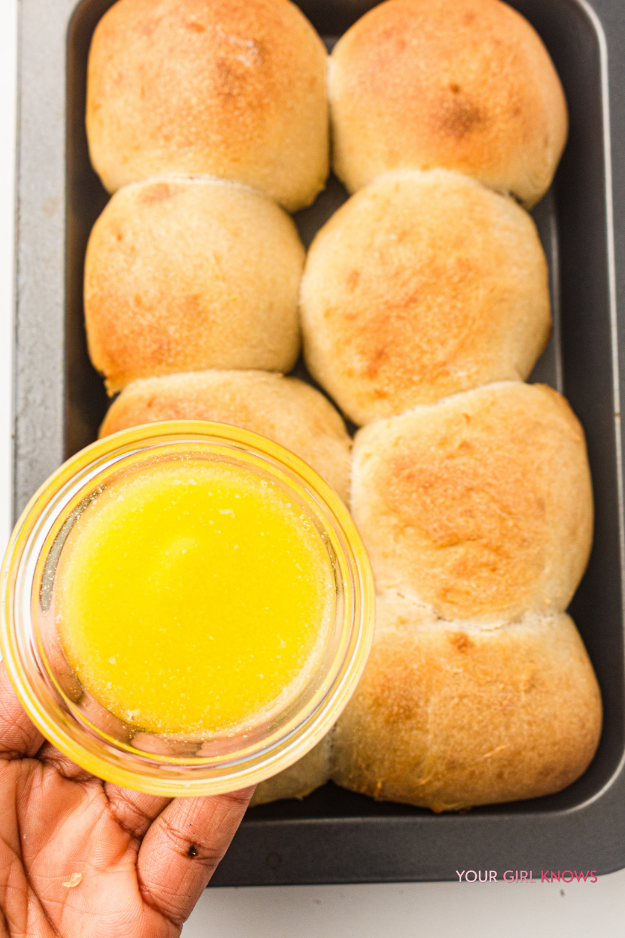
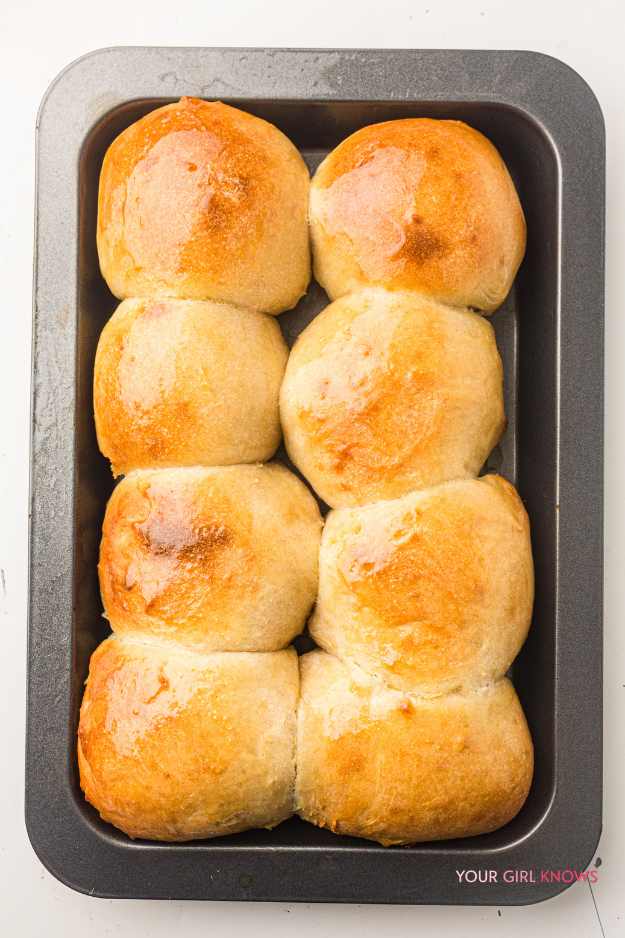
As soon as the rolls come out of the oven, brush generously with the melted butter. This is what gives them that glossy, golden finish and keeps the tops soft. Scatter flaky salt or fresh parsley over the top if desired.
Let them cool for 5–10 minutes before serving — but honestly, warm from the pan with a little more butter is the best possible way to eat them.
Pro Tips
Use active, bubbly starter — not discard. These rolls need the lift that only an active, well-fed starter can provide. Feed your starter 4–8 hours before you begin and let it peak before using — it should be bubbly, doubled, and domed at the top.
Don’t rush the rises. Sourdough relies entirely on natural fermentation for its rise. If the dough hasn’t grown noticeably after the first rise, it needs more time — not the oven. An underproofed roll bakes dense and heavy. Patience is the ingredient you can’t skip.
Shape the rolls with good tension. A tight, smooth ball with proper surface tension is what holds the roll together through the second rise and gives it height in the oven. Loose, poorly shaped rolls spread flat. Take the time to shape each one properly.
Warm milk, not hot. Milk that’s too hot can kill the starter or inhibit fermentation. Aim for around 100–110°F — warm and comfortable on your wrist.
Brush with butter the moment they come out. Butter soaks into the surface while the rolls are hot and keeps the tops tender rather than letting them form a hard crust. Don’t wait.

Sourdough Dinner Rolls
Soft, golden, pull-apart dinner rolls made with active sourdough starter — pillowy and tender inside with a subtle depth of flavor that makes every meal feel a little more special.
Ingredients
For the Dough:
- 1 cup active sourdough starter (240g), bubbly and doubled
- 1 cup warm milk (240ml)
- 3 tablespoons unsalted butter, melted (42g)
- 2 tablespoons honey or sugar (30g)
- 3½–4 cups bread flour (440–500g)
- 1½ teaspoons fine sea salt (9g)
For Brushing:
- 2 tablespoons unsalted butter, melted
- Flaky salt or fresh parsley (optional)
Instructions
- Combine starter, warm milk, melted butter, and honey. Mix in flour and salt until a soft dough forms.
- Knead for 8–10 minutes until smooth and elastic.
- Place in a buttered bowl, cover, and let rise 4–6 hours until 50–75% larger.
- Divide into 12 pieces. Shape each into a tight, smooth ball.
- Arrange in a buttered 9x13 inch dish. Cover and let rise 2–3 hours until rolls are puffy and touching.
- Preheat oven to 375°F (190°C). Bake 20–25 minutes until deep golden.
- Brush immediately with melted butter. Add flaky salt or parsley if desired. Cool slightly and serve.
Notes
Variations & Customizations
- Garlic herb rolls — Mix 1 teaspoon of garlic powder and 1 tablespoon of finely chopped fresh rosemary or parsley into the dough with the flour, then brush with garlic butter straight out of the oven.
- Honey butter rolls — Mix equal parts softened butter and honey and brush over the rolls straight out of the oven instead of plain butter. Sweet, glossy, and completely irresistible.
- Cheese rolls — Fold ½ cup of shredded sharp cheddar or Gruyère into the dough just before shaping. Scatter a little extra cheese on top before baking.
- Everything bagel rolls — Brush the rolls with egg wash before baking and scatter everything bagel seasoning over the top. Bake as normal.
- Overnight method — After shaping, cover and refrigerate overnight instead of doing the second rise at room temperature. Pull from the fridge 1–2 hours before baking to take off the chill and finish rising, then bake as normal.
- Individual rolls — Bake on a parchment-lined sheet pan spaced 2 inches apart instead of touching in a baking dish for rolls with a crustier exterior and more defined shape.
Storage & Reheating
| Method | Details |
|---|---|
| Room Temperature | Store in an airtight container or wrapped in foil for up to 3 days. Best eaten within the first 2 days. |
| Reheating | Wrap in foil and warm in a 300°F oven for 10–15 minutes. For a single roll, microwave for 15–20 seconds. |
| Freezer | Freeze baked and fully cooled rolls in a freezer bag for up to 2 months. Thaw at room temperature, then warm in the oven before serving. |
| Make-ahead (overnight) | Shape rolls, place in the buttered dish, cover tightly, and refrigerate overnight. Remove from the fridge 1–2 hours before baking to let them finish proofing, then bake as directed. |
Frequently Asked Questions
Can I use sourdough discard instead of active starter?
Active starter gives significantly better results here. Discard has much less leavening power, and the rolls may turn out dense or fail to rise properly. If you use discard, expect the rise times to be substantially longer and the results to be less consistent. Feed your starter and let it peak before using for the best rolls.
Why are my rolls dense?
Almost always because of underproofing — the dough didn’t rise enough before baking. Both rises matter. The dough needs to be visibly puffy and airy after the first rise, and the rolls need to be touching and domed after the second before they go in the oven. If in doubt, give them more time.
Can I refrigerate the dough overnight?
Yes. After shaping the rolls and placing them in the baking dish, cover tightly and refrigerate overnight. The next morning, take them out and leave at room temperature for 1–2 hours to finish proofing before baking. This makes them a great make-ahead option for holiday meals.
How do I know if my starter is ready to use?
Your starter should be bubbly and domed at the top, roughly doubled in size since its last feeding, and smell pleasantly yeasty with a mild tang. A simple float test also helps — drop a small spoonful into water. If it floats, it’s active and ready.
My rolls spread flat instead of rising upward. What happened?
The rolls weren’t shaped with enough tension. A loose ball spreads outward during proofing and baking instead of rising up. On the second attempt, focus on creating tight surface tension when shaping — tuck the edges firmly underneath and feel the surface of the roll tighten as you roll it.
related articles to sourdough dinner rolls
- Sourdough Discard Waffles That Turn Leftover Starter Into the Best Breakfast of the Week
- Soft & Chewy Sourdough Chocolate Chip Cookies Using Sourdough Discard
- Sourdough Discard Crackers That Turn Leftover Starter Into Something Seriously Addictive
- These Sourdough Discard Pancakes Are Light, Tangy, and Seriously Hard to Mess Up