
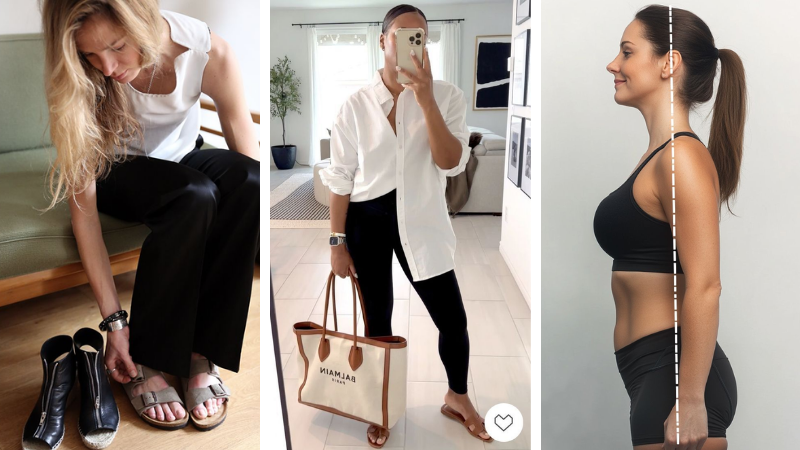
Heads up: some links are affiliate, so I may earn a tiny commission (at no extra cost to you!) on stuff I genuinely adore. Please read my Disclosure Policy for additional information.
Things that make you look frumpy usually have nothing to do with age, body size, or budget. Most of the time, it’s small styling habits like poor fit, outdated silhouettes, worn fabrics, or shapeless outfits that quietly make everything look less polished. Here’s what’s actually making outfits feel frumpy — and the easy fixes that instantly make them look better.
1. Clothes That Are Too Big
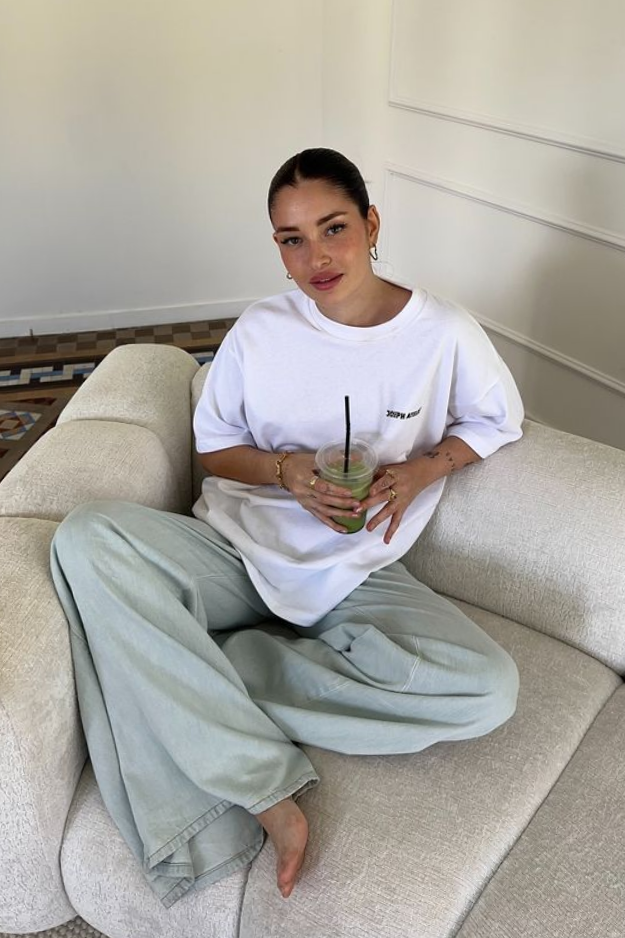
The number one frumpy culprit. Oversized clothes worn as a styling choice can look intentional. Oversized clothes worn because they’re easier to fit into or because you’ve had them for fifteen years — don’t. Fabric that pools, sags, or swims on the body creates shapelessness, and shapelessness reads as frumpy regardless of price tag.
The fix: Try one size down from what you’d normally reach for. You don’t need to wear skin-tight — you just need clothes that acknowledge your body exists underneath them.
Pro tip: If the shoulder seam of a top or jacket sits past your actual shoulder, it’s too big. This one fits detail ages and frumps an outfit faster than anything else.
2. Hemlines That Hit at the Wrong Point
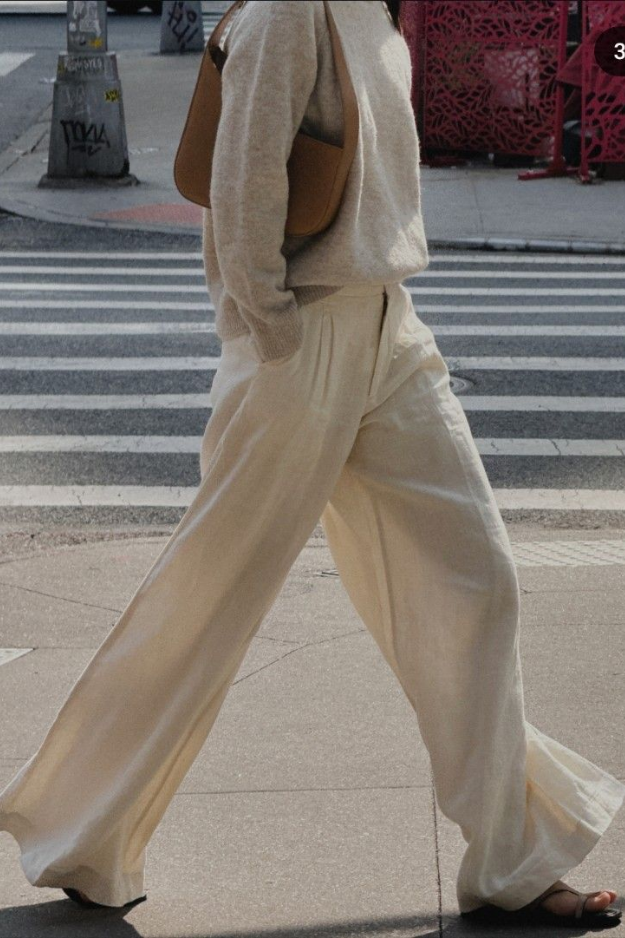
Midi skirts at the widest part of the calf, trousers pooling on the floor, tunics hitting mid-thigh — the wrong length cuts the body at unflattering points and makes even beautiful pieces look dowdy.
The fix: Get things hemmed. It costs $10-$20 and transforms a piece. Trousers should hit at the ankle bone. Skirts look best above the knee, just below it, or at the lower calf — not mid-calf, where legs look their widest.
Pro tip: Mid-calf is the most universally unflattering hemline. If a skirt lands there, hem it or add a heel that brings it above that point.
3. Shapeless Top Plus Loose Bottoms
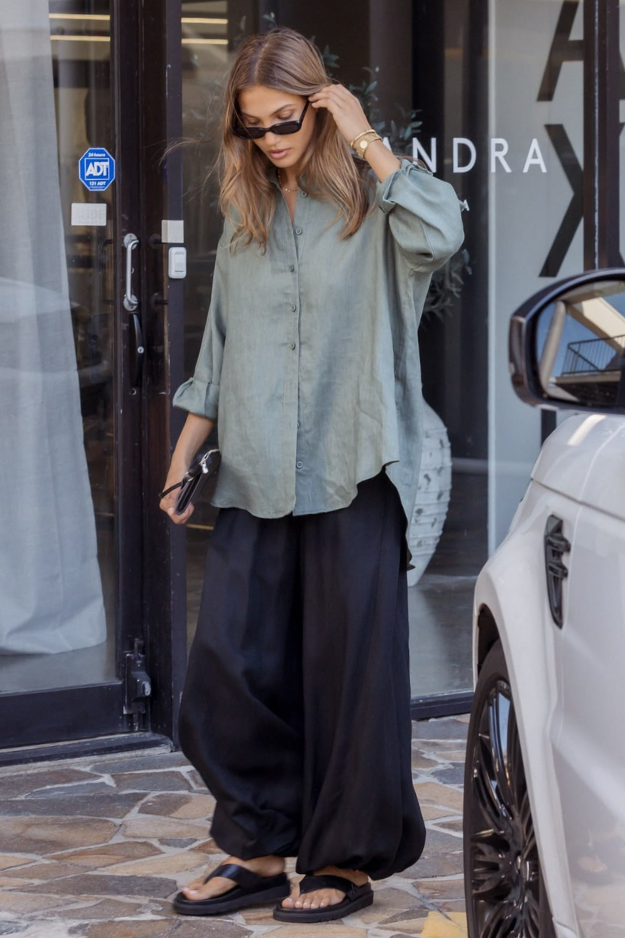
One relaxed piece paired with one fitted piece is a formula. Two relaxed pieces together is a problem. A boxy top over wide-leg trousers or a full skirt creates a silhouette with no definition — just a rectangle of fabric from shoulder to hemline.
The fix: One loose, one fitted. Always. Oversized top with slim trousers. Wide-leg pants with a tucked-in blouse. The contrast creates shape — and shape is what separates intentional from frumpy.
Pro tip: Even a simple front-tuck — tucking just the front of your top into the waistband — creates enough waist definition to break a shapeless silhouette. Takes five seconds, costs nothing.
4. Worn-Out, Faded, or Pilled Fabric
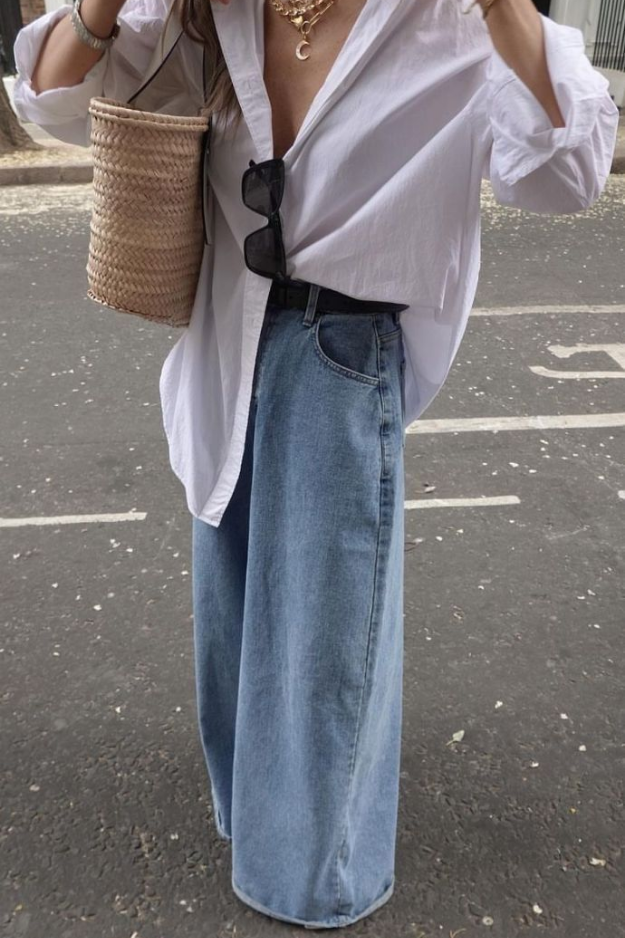
Clothes past their useful life — pilled sweaters, faded colors, frayed hems — broadcast neglect rather than care. The fabric itself is doing the frumping, regardless of the fit or the price.
The fix: A fabric shaver removes pilling in two minutes. For faded pieces, relegate them to home wear. Do a wardrobe audit twice a year and retire what’s genuinely past its prime.
Pro tip: If you’re holding something up thinking “it’s probably still fine” — it isn’t. That hesitation is the answer.
5. The Wrong Bra
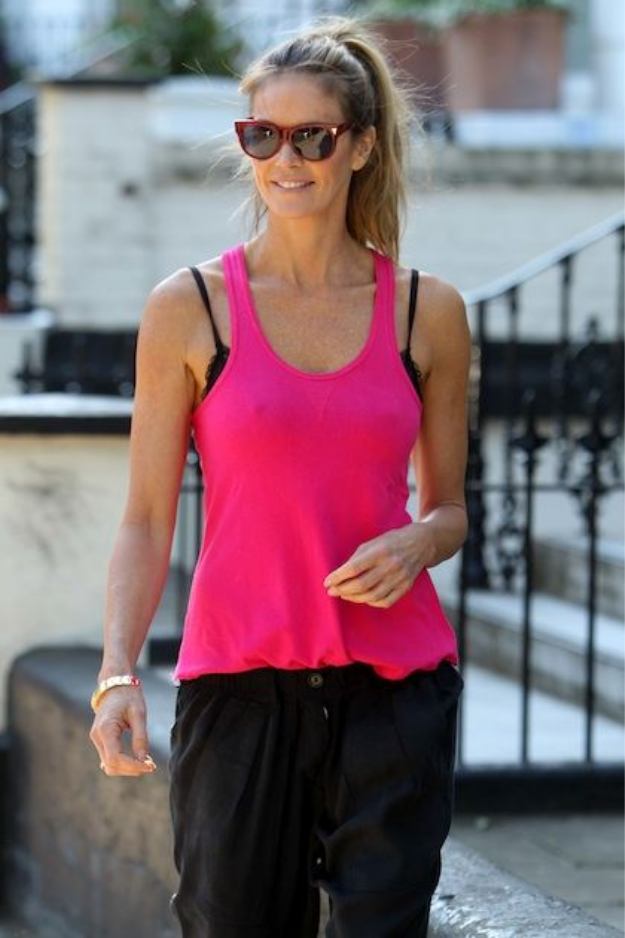
A bra in the wrong size or wrong style changes the entire shape of everything worn on top of it. Back fat, a uni-boob, straps that show — all of these make every garment look worse than it actually is. Learning the things that make you look frumpy can completely change how polished, modern, and put-together your outfits feel without buying a whole new wardrobe.
The fix: Get professionally fitted. Most lingerie stores do it for free. The right bra changes your silhouette immediately and makes every top, dress, and jacket fit better.
Pro tip: A nude-to-you T-shirt bra is the most universally useful option in any wardrobe. It disappears under everything and creates a clean, smooth silhouette.
6. Full Elastic Waistbands on Everything
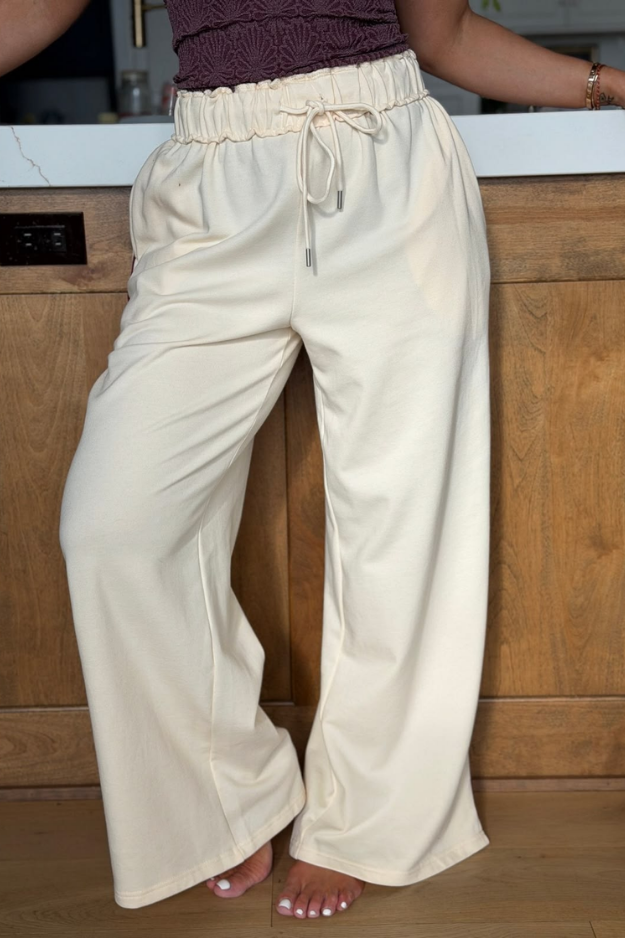
Elastic waistbands are comfortable — and one of the fastest ways to create a frumpy midsection. A full elastic waist creates a gathered, bunching effect that adds visual bulk exactly where most people don’t want it.
The fix: Look for trousers with a structured waistband or a partial elastic back that lies flat. You can have comfort without the visual cost of a gathered elastic front.
Pro tip: A wide, flat elastic that doesn’t gather reads significantly better than a narrow elastic that creates ruffling. Ponte pull-on trousers designed to lie flat are the compromise worth finding.
7. Shoes That Are Past Their Prime
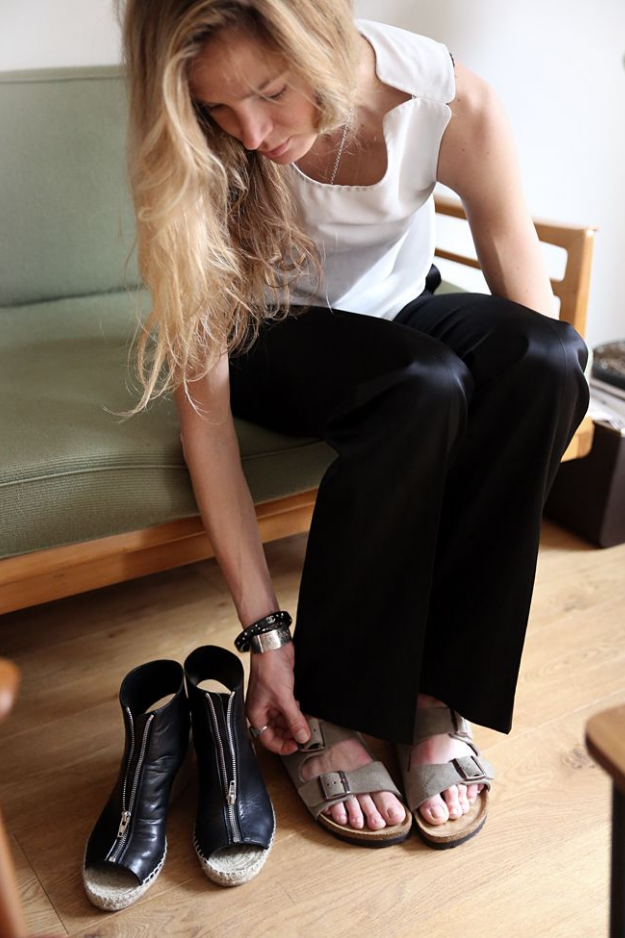
A great outfit on scuffed, cracked, or worn-down shoes is not a great outfit. Deteriorating footwear drags the entire look downward and creates an impression of neglect that extends to the whole person.
The fix: Polish leather regularly, replace heel caps before they wear to metal, and store shoes properly. A well-maintained mid-range shoe looks better than a neglected designer one every time.
Pro tip: Keep a basic shoe care kit accessible — cloth, conditioner, polish. Five minutes every few weeks keeps shoes looking new for years.
8. Fabric That Clings in the Wrong Places
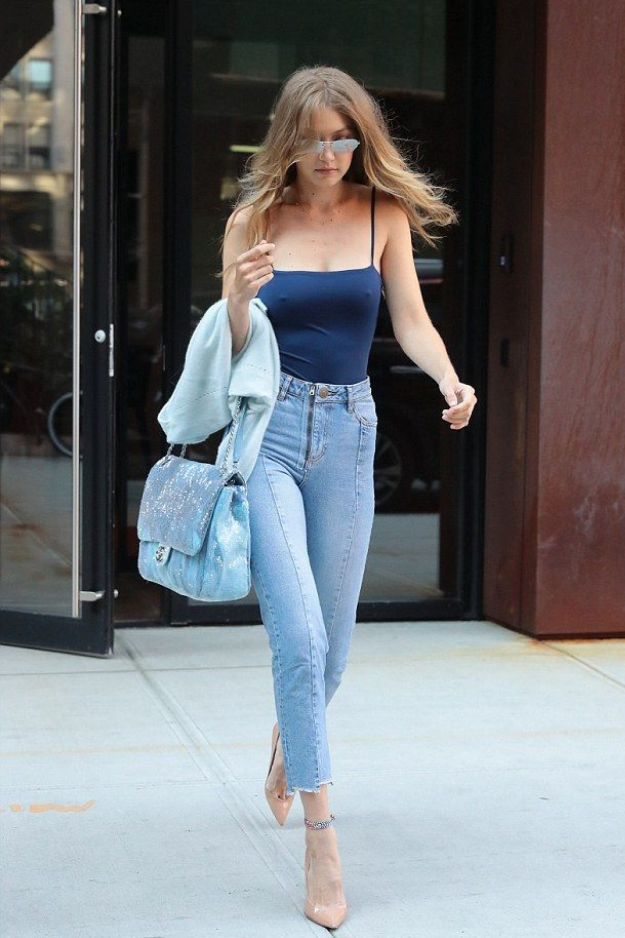
Too-tight is just as frumping as too-loose. Fabric that pulls across the stomach or thighs creates visible stress lines and reads as uncomfortable.
The fix: Fabric should skim, not grip. Crepe, matte jersey, and ponte drape beautifully and follow the body without clinging. If you see horizontal pulling lines anywhere in a garment, size up or choose a different fabric.
Pro tip: No amount of styling compensates for fabric under tension. The fit problem needs to be fixed at the source.
9. Outdated Silhouettes
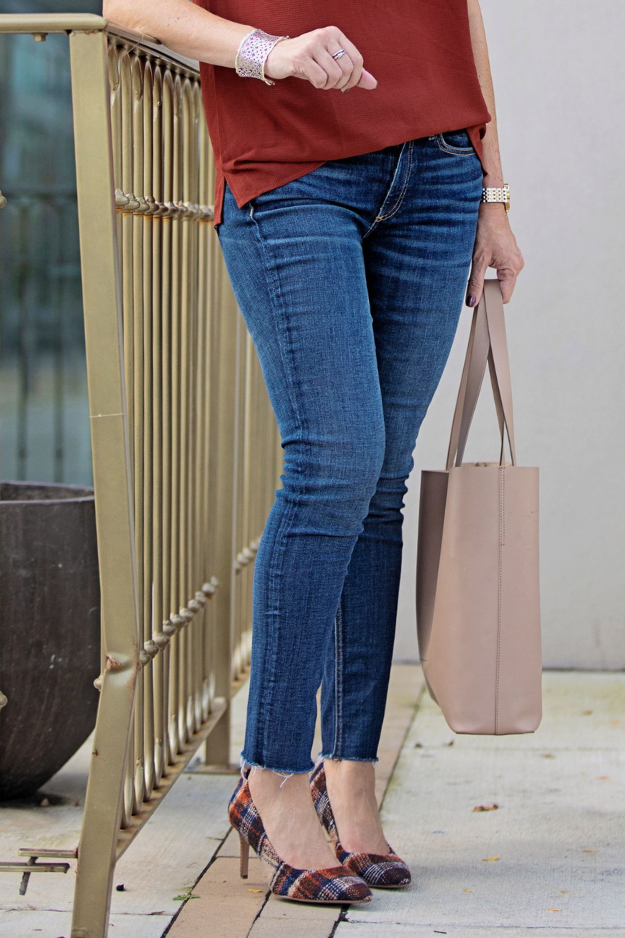
A wardrobe frozen ten or fifteen years in the past reads as dated rather than classic. Bootcut jeans from 2008, boxy blazers from another era — these pieces carry the visual signature of a different time.
The fix: You don’t need to follow every trend. But one or two current silhouettes — a straight-leg jean, a current-proportion blazer — refresh the entire wardrobe and make everything classic around them look intentional.
Pro tip: Jeans are the fastest indicator of whether a wardrobe is current or dated. Investing in the right jean silhouette updates more looks than almost any other single purchase.
10. No Contrast in the Outfit
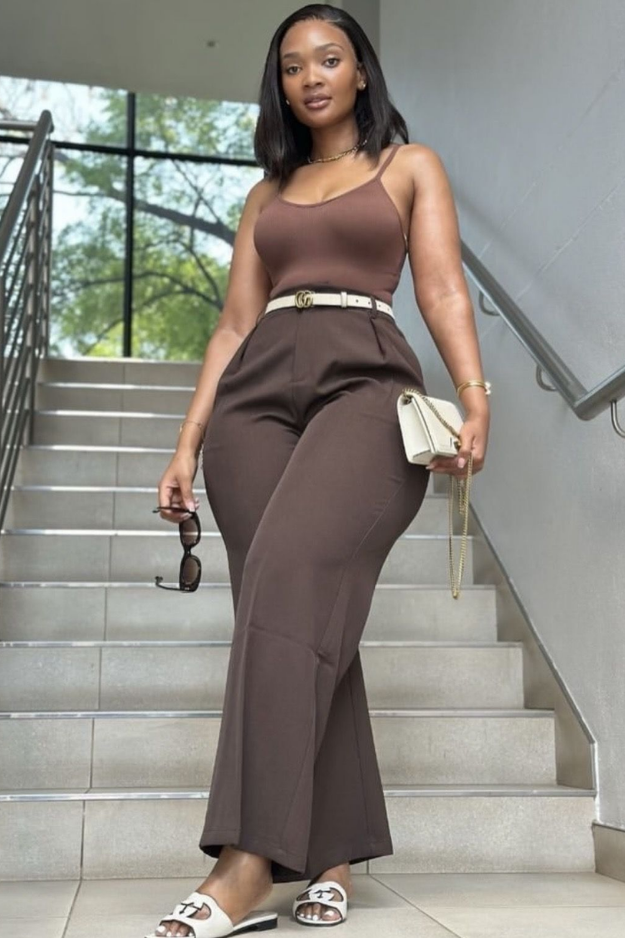
An all-muted-neutral outfit with no variation in tone, no accessory that reads differently, nothing to draw the eye — creates a flat, visually dull impression. Monochrome done intentionally is elegant. Monochrome done accidentally is just beige.
The fix: Add one element of contrast to every outfit. A deeper-toned bag, a belt in a slightly different shade, a crisp white against a dark bottom. One deliberate contrast detail makes an outfit read as considered.
Pro tip: The easiest contrast addition is a bag or shoe that’s noticeably darker or lighter than the rest of the outfit. That tonal difference is all it takes.
11. Dressing Too Casually — Consistently
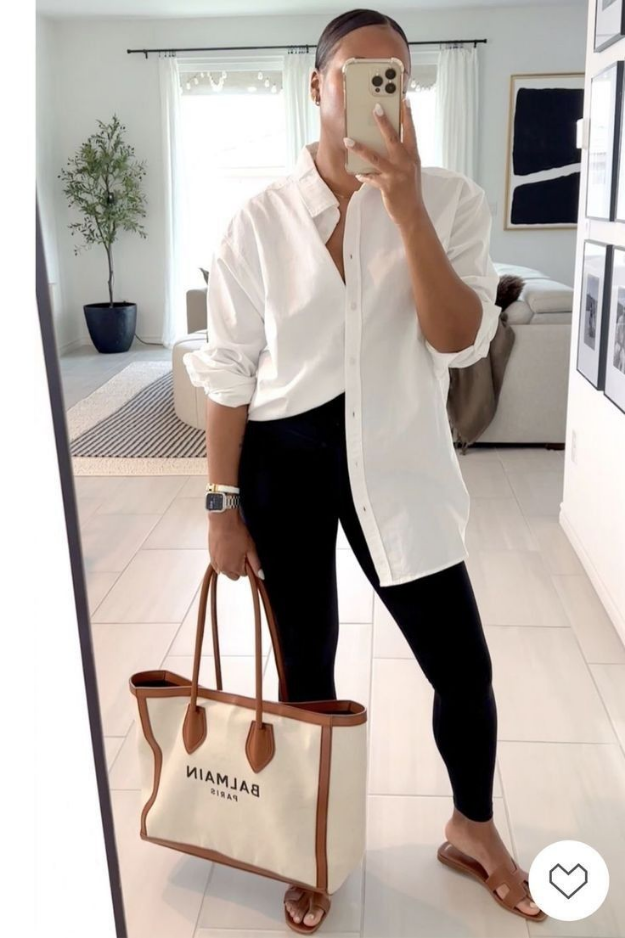
Leggings and a sweatshirt occasionally is fine. As a default for every non-work occasion, it creates a cumulative impression of someone who has stopped trying — whether you intend it or not.
The fix: Elevate casual with one intentional detail. Structured sneakers instead of slippers. A fitted top instead of an oversized one. A blazer over the casual outfit. One deliberate piece signals effort without requiring a full wardrobe change.
Pro tip: Athleisure can look polished or frumpy depending entirely on fit and quality. A well-fitted matching set with clean sneakers reads very differently from a mismatched, worn-out one.
12. Bad Posture in Great Clothes
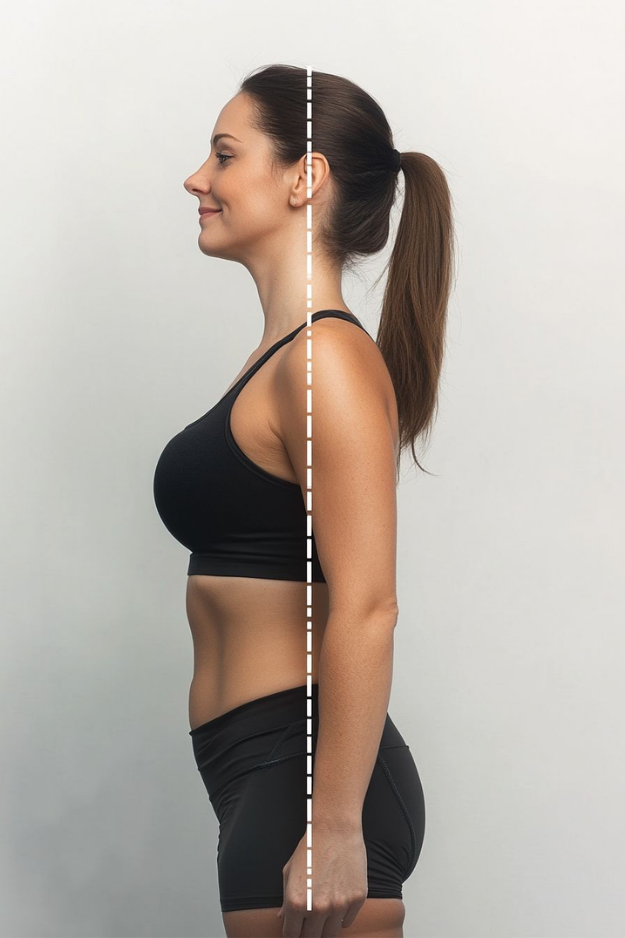
The final frumpy culprit — and the one no wardrobe edit can fix. Shoulders forward, chin dropped, chest collapsed: this posture makes every outfit look smaller and dowdier than it is. The same outfit, standing tall versus slumping, looks like two different wardrobes.
The fix: Shoulders back, chin parallel to the floor, chest open. This version of you looks taller, more confident, and more put-together in everything you own.
Pro tip: Most bad posture comes from tight chest muscles, not weak back muscles. A doorway chest stretch — hands on either side of the frame at shoulder height, lean gently forward for 60 seconds — done twice daily creates a visible posture change within two weeks.