Heads up: some links are affiliate, so I may earn a tiny commission (at no extra cost to you!) on stuff I genuinely adore. Please read my Disclosure Policy for additional information.
Classy and expensive are not the same thing. Never have been. A $30 blouse that fits perfectly and is pressed and styled with intention reads more expensive than a $300 one that’s wrinkled and two sizes off.
The difference between looking classy and looking cheap is almost never about budget — it’s about the details. The specific, learnable, entirely actionable details that most people either don’t know or don’t bother with.
Here’s the full list. Internalize it and your wardrobe changes permanently.
1. Fit Is the Only Rule That Overrides Everything Else

Nothing — not price, not brand, not trend — matters more than fit. Clothes that fit correctly look expensive regardless of where they came from. Clothes that don’t fit look cheap regardless of what they cost. This is the single most important sentence in this entire article and it’s worth reading twice.
The specific fits to get right: Shoulder seams at the actual shoulder. Trouser hems at the correct point for your shoe height. Shirts that don’t pull or gap. Blazers that button without straining. When in doubt, find a tailor. A $20 alteration turns a good piece into a great one every time.
2. Quality Fabric Over Quantity of Pieces
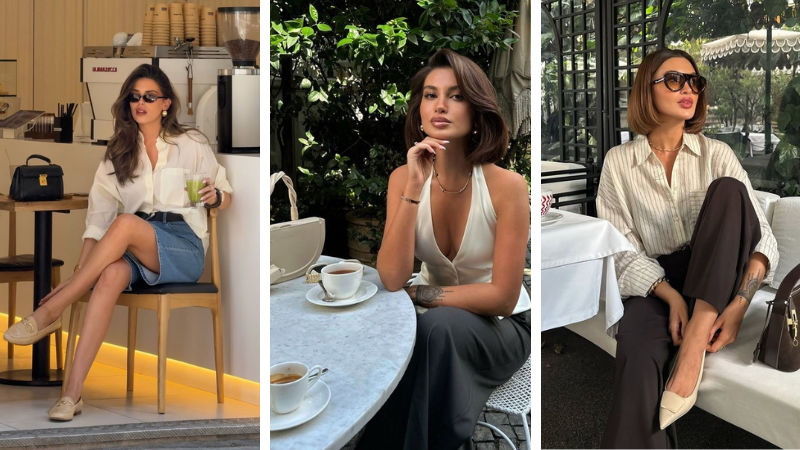
A wardrobe of ten well-made pieces in quality fabrics will always look more expensive than thirty cheap ones. The key fabrics that read as quality: wool, cashmere, silk, linen, quality cotton poplin, and structured crepe.
The fabrics that read as cheap regardless of the price tag: thin polyester, very shiny satin with no drape, stiff neoprene, and anything that pills after two washes.
Pro tip: When shopping, rub the fabric between your fingers and hold it up to the light. Cheap fabric is thin, scratchy, and almost transparent. Quality fabric has weight, a smooth hand feel, and opacity. The test takes five seconds and saves you from buying things you’ll regret.
3. A Classy Woman Is Never Overdressed or Underdressed — She’s Appropriate
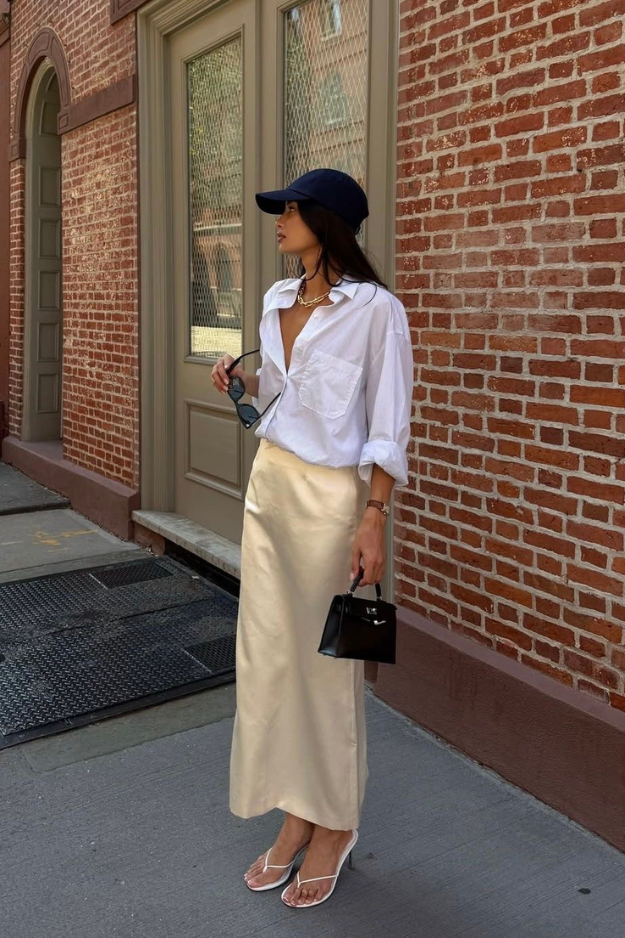
Knowing what to wear for the occasion and wearing it correctly is one of the most underrated components of looking classy. Showing up overdressed reads as trying too hard. Showing up underdressed reads as not caring.
The classy move is always to read the room, understand the dress code, and meet it precisely — then add one considered detail that makes the outfit yours.
Pro tip: When in doubt about a dress code, go one level above what you think is required. Smart casual when you’re unsure beats too casual every time.
4. Neutral Colors Are the Foundation of a Classy Wardrobe
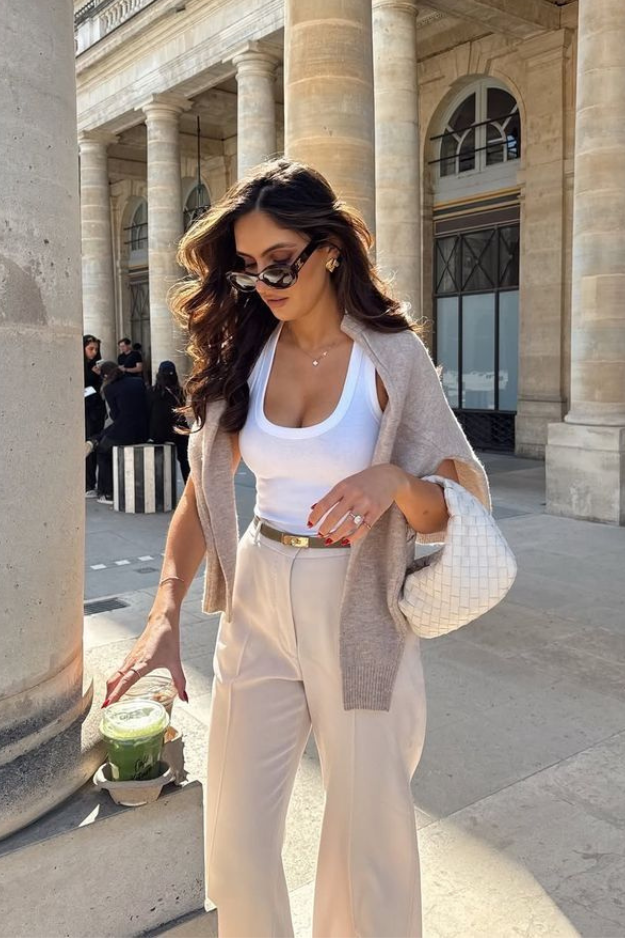
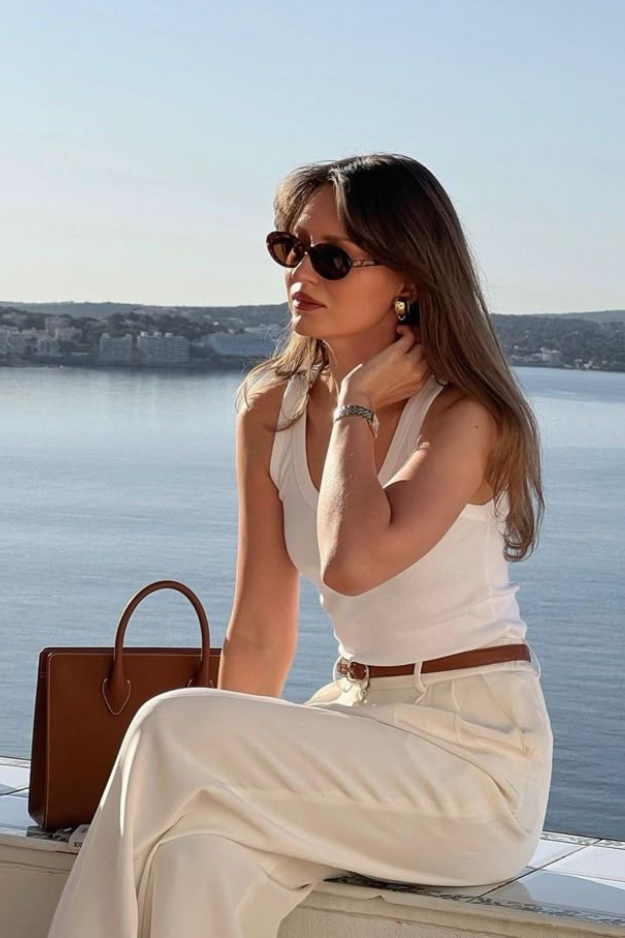
Camel, ivory, cream, stone, navy, black, chocolate brown, and soft grey are the colors that form the backbone of every quietly expensive wardrobe.
Not because color is wrong — it isn’t — but because a neutral base means every piece coordinates, everything photographs well in every setting, and the overall impression is one of considered restraint rather than trend-chasing.
Pro tip: Build your wardrobe in one color temperature — either all warm neutrals (camel, cream, chocolate, terracotta) or all cool neutrals (grey, navy, black, white). Mixing warm and cool neutrals together without intention looks uncoordinated rather than thoughtfully layered.
5. Pressed and Pristine Wins Every Time

Wrinkled clothes look cheap. Full stop. It doesn’t matter how beautiful the fabric, how perfect the fit, or how expensive the piece — if it’s creased, it looks like an afterthought.
A steamer used for five minutes the night before changes the entire impression of an outfit. This is the simplest, cheapest, most impactful style upgrade available and the one most consistently ignored.
Pro tip: A handheld garment steamer is faster and gentler than an iron and works on almost every fabric. Keep it where you’ll actually use it — on your dresser, not in a closet. If it’s out of sight, it won’t happen.
6. Minimal Logos Read Wealthier Than Loud Ones
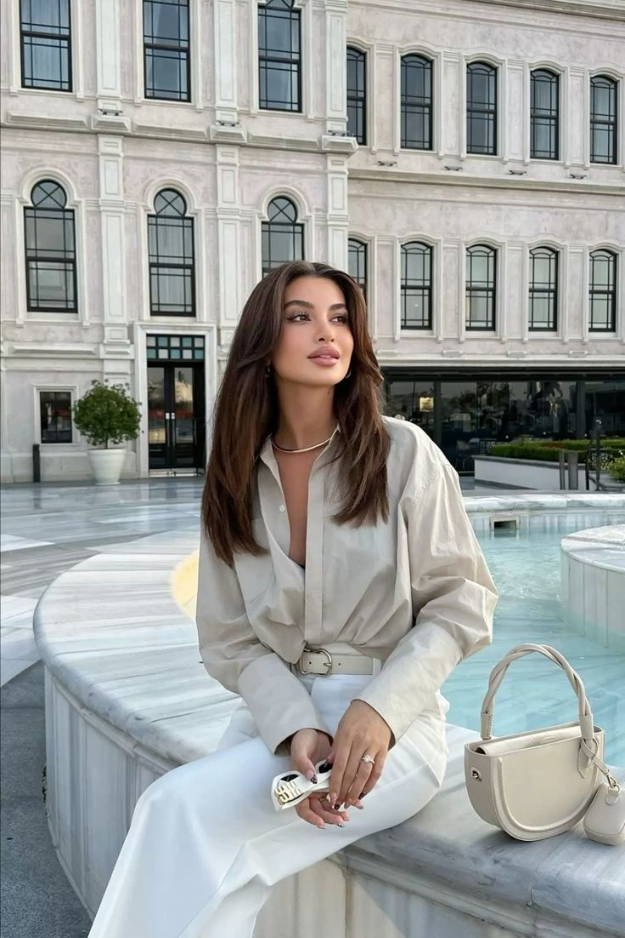
True wealth has never announced itself through logos. The most expensive wardrobes in the world are almost entirely logo-free.
A large, visible logo is essentially a price tag worn on the outside — it tells people what the piece cost rather than letting the quality speak for itself. A small, understated logo on a quality piece is different. The walking billboard version is not.
Pro tip: When buying basics and foundational pieces — t-shirts, trousers, blazers, bags — actively choose versions with no visible branding. The money saved on the logo version goes further toward quality fabric and better construction.
7. The Bag Does More Work Than You Think
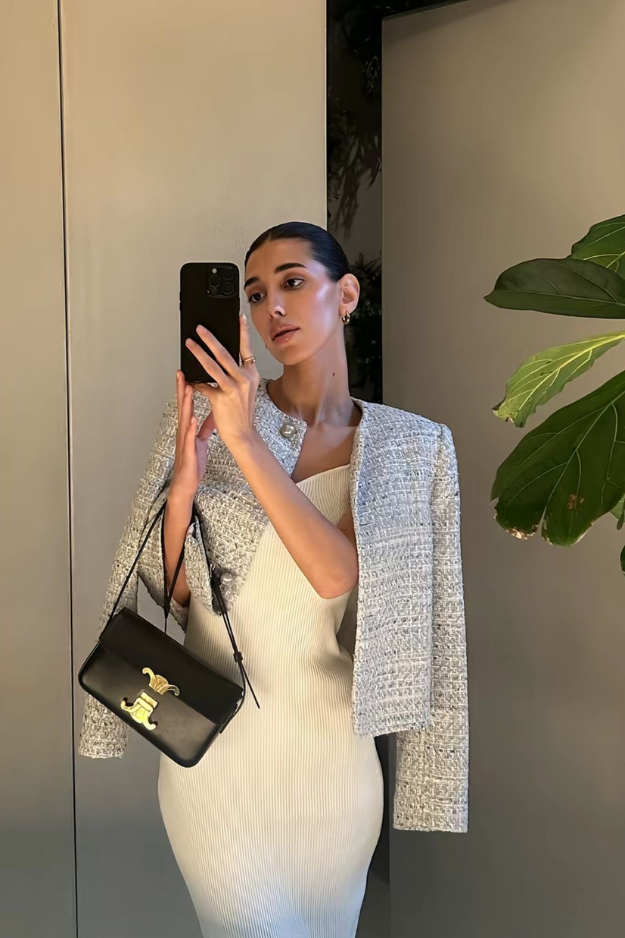
A well-chosen, well-maintained bag elevates an otherwise simple outfit more than almost any other accessory. Conversely, a cheap, worn, or very obviously synthetic bag undermines an otherwise polished look instantly.
The bag is one of the highest-ROI style investments available — and it doesn’t need to be expensive, it needs to be quality.
Pro tip: Structured leather or leather-look bags in black, cognac, tan, or navy read as quality. Very shiny faux leather, canvas with peeling corners, and bags with excessive hardware or chains typically don’t. Look specifically at the corners of a bag — that’s where quality (or its absence) shows first.
8. One Statement Piece Per Outfit — Not Five

Classy dressing is edited. One interesting piece — a statement earring, a bold colored blazer, a printed scarf, a great bag — surrounded by clean, simple supporting pieces. When everything in an outfit is competing for attention, the result is noise. When one thing leads and everything else follows, the result is a look.
Pro tip: Get fully dressed, look in the mirror, and remove one accessory. Almost every time, the edit is an improvement. If you can’t decide what to remove, that’s the signal that there’s too much happening.
9. Grooming Is Non-Negotiable
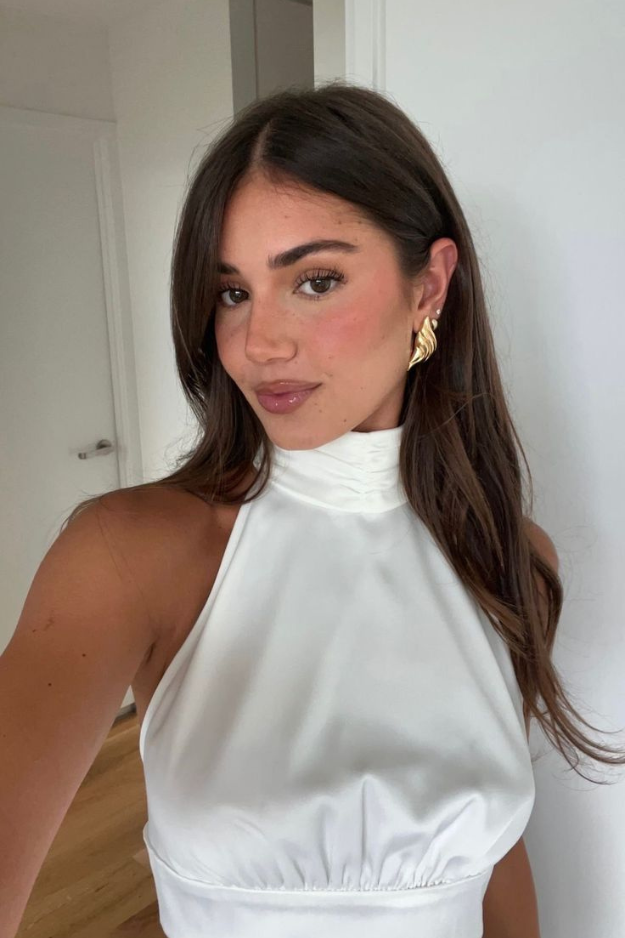
Classy is a whole-picture impression — not just clothing. Well-maintained nails, clean and styled hair, a polished complexion, and appropriate fragrance are as much a part of the overall impression as anything you wear.
A flawless outfit on an ungroomed person reads as costume. An impeccable outfit on a polished person reads as lifestyle.
Pro tip: The three grooming details with the highest visual impact are brows, nails, and hair. If you’re short on time and budget, prioritize these three above everything else. They frame the face and the hands — the two things people look at most.
10. Shoes and Bags Should Be Well-Maintained
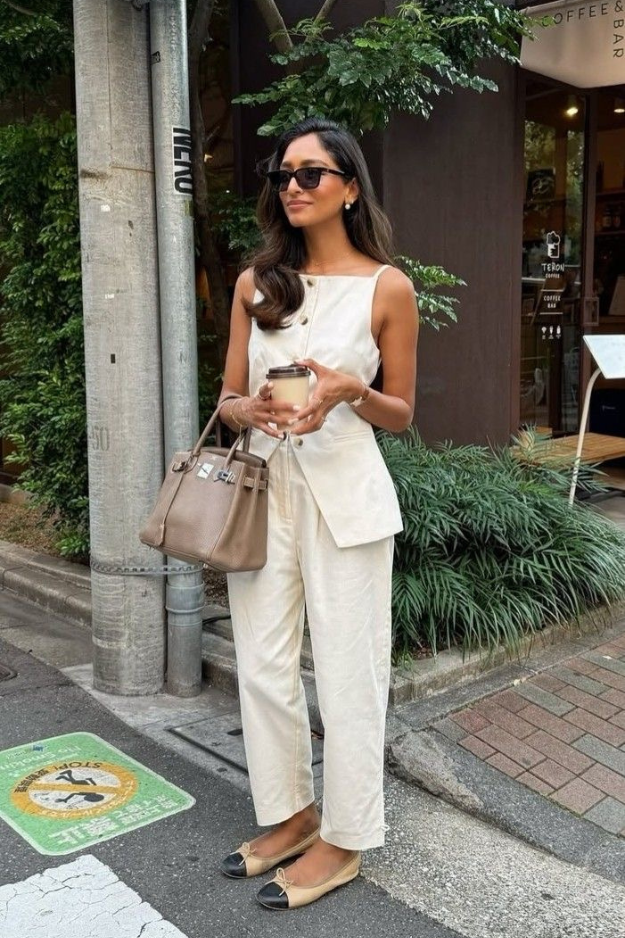
Scuffed heels, worn-down soles, cracked leather, and peeling faux materials undermine a polished look more than almost anything else. People look at shoes. Consistently.
A well-maintained mid-range shoe looks considerably more expensive than a neglected designer one — and the maintenance is almost entirely free.
Pro tip: Keep a shoe care kit at home: a cloth, a leather conditioner, and a color-matched polish for your most-worn pairs. Five minutes every few weeks keeps shoes looking new for years. Replace heel tips before they wear down to the metal. The metal sound is the official announcement that your shoes need attention.
11. Tailoring Is the Secret Weapon of Classy Dressers
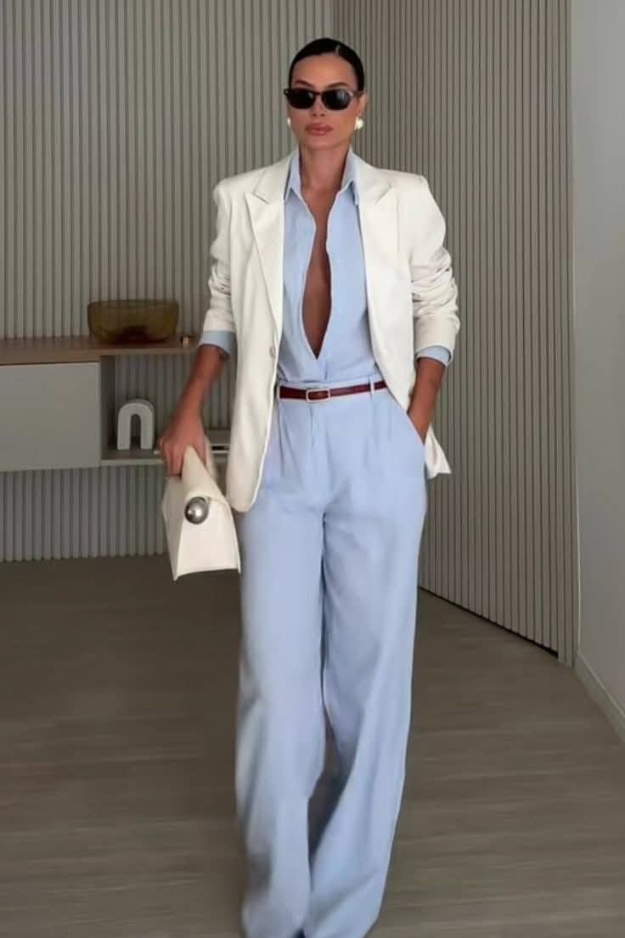
The women whose wardrobes consistently look expensive aren’t necessarily buying more expensive clothes. They’re getting things altered. A blazer taken in at the waist. Trousers hemmed to the exact right length. A dress shortened by two inches.
These alterations cost between $15 and $40 each and transform the entire impression of a piece.
Pro tip: Build a relationship with one reliable tailor and use them regularly. The investment in alterations consistently costs less than buying new pieces and delivers more visual impact than almost any other wardrobe upgrade.
12. Skin-Baring Should Be Strategic, Not Simultaneous
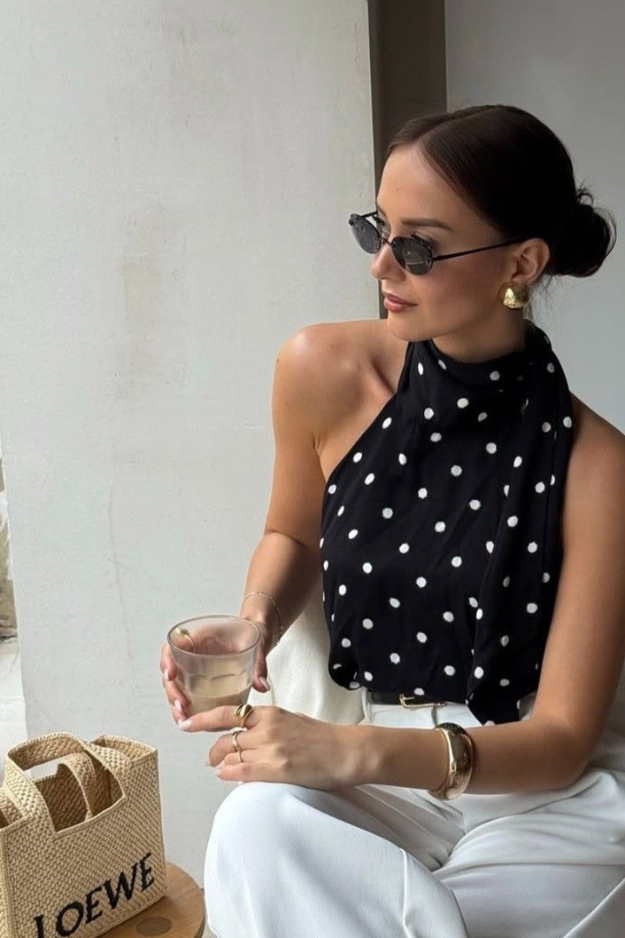
Showing some skin is elegant. Showing all of it at once reads as cheap. The classy rule: show one area at a time. Bare shoulders with a covered neckline. A short hemline with a covered top.
A low back with a modest front. The contrast between what’s revealed and what’s covered is what creates elegance — not the amount of skin itself.
Pro tip: When you put an outfit together, do a quick check — how many areas are exposed simultaneously? If the answer is three or more, add a layer somewhere. The restraint is almost always the more sophisticated choice.
13. Avoid Trends That Don’t Suit Your Body or Lifestyle
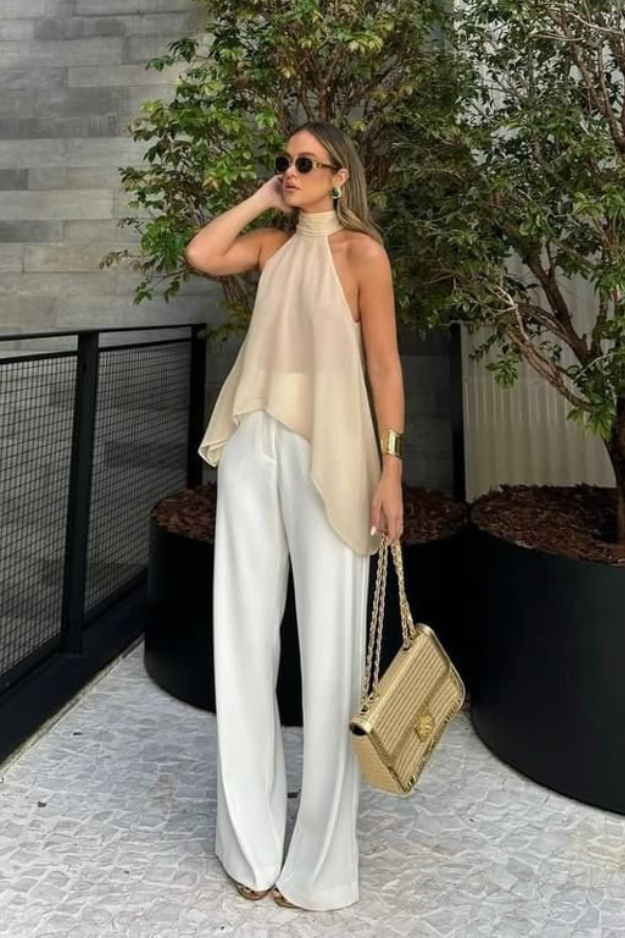
Chasing every trend — buying the viral item, wearing whatever’s on TikTok this week — creates a wardrobe that looks current for three weeks and dated forever after. Classy dressing is built on pieces that suit your specific body, lifestyle, and aesthetic.
Selectively incorporating trends that genuinely work for you, rather than all of them indiscriminately, is what creates a personal style that reads as intentional rather than reactive.
Pro tip: Before buying a trend piece, ask: does this work for my body? Does this fit my actual life? Would I wear this in a year? If the answer to any of these is no, it’s a trend buy you’ll regret.
14. Undergarments Are the Foundation — Literally
The right bra changes the shape of everything you put on top of it. A bra in the wrong size, the wrong style, or the wrong color for the top creates visible lines, unflattering shape, and the impression of clothes that don’t quite work — even when they do.
Seamless nude-to-you underwear under fitted pieces. The right bra for the neckline. No visible lines.
Pro tip: Get professionally fitted for a bra at least once. Most women are wearing the wrong size — a professional fitting at a lingerie boutique takes fifteen minutes and is usually free. The difference in how every top fits afterward is immediate and significant.
15. Classic Pieces Age Better Than Fast Fashion

A great trench coat, a well-cut blazer, a quality white button-down, a pair of tailored dark-wash trousers — these pieces look just as good in year five as they do on day one, and they photograph in a way that never looks dated.
Fast fashion pieces have a very visible shelf life. Classic pieces don’t. Investing in a smaller number of genuinely good pieces and wearing them repeatedly is the most sustainable, most elegant, and most classy approach to a wardrobe.
Pro tip: The question to ask before every purchase: “Will I wear this in two years?” If the honest answer is probably not, it’s a trend buy masquerading as a wardrobe investment. Wait it out.
related articles to style rules that seperate classy from cheap
- 13 Subtle Things Only Rich Women Wear (That You Might Miss)
- 14 Things Rich Women Never Wear… Like, Ever (And You Shouldn’t Either, Babe)
- How to Look Rich and Classy – 26 Tips for Ballin’ on a Budget
- 33 Classy Short Nail Ideas That Always Look Expensive
- How to Look Expensive Without Trying (Think Effortless Old-Money Energy)